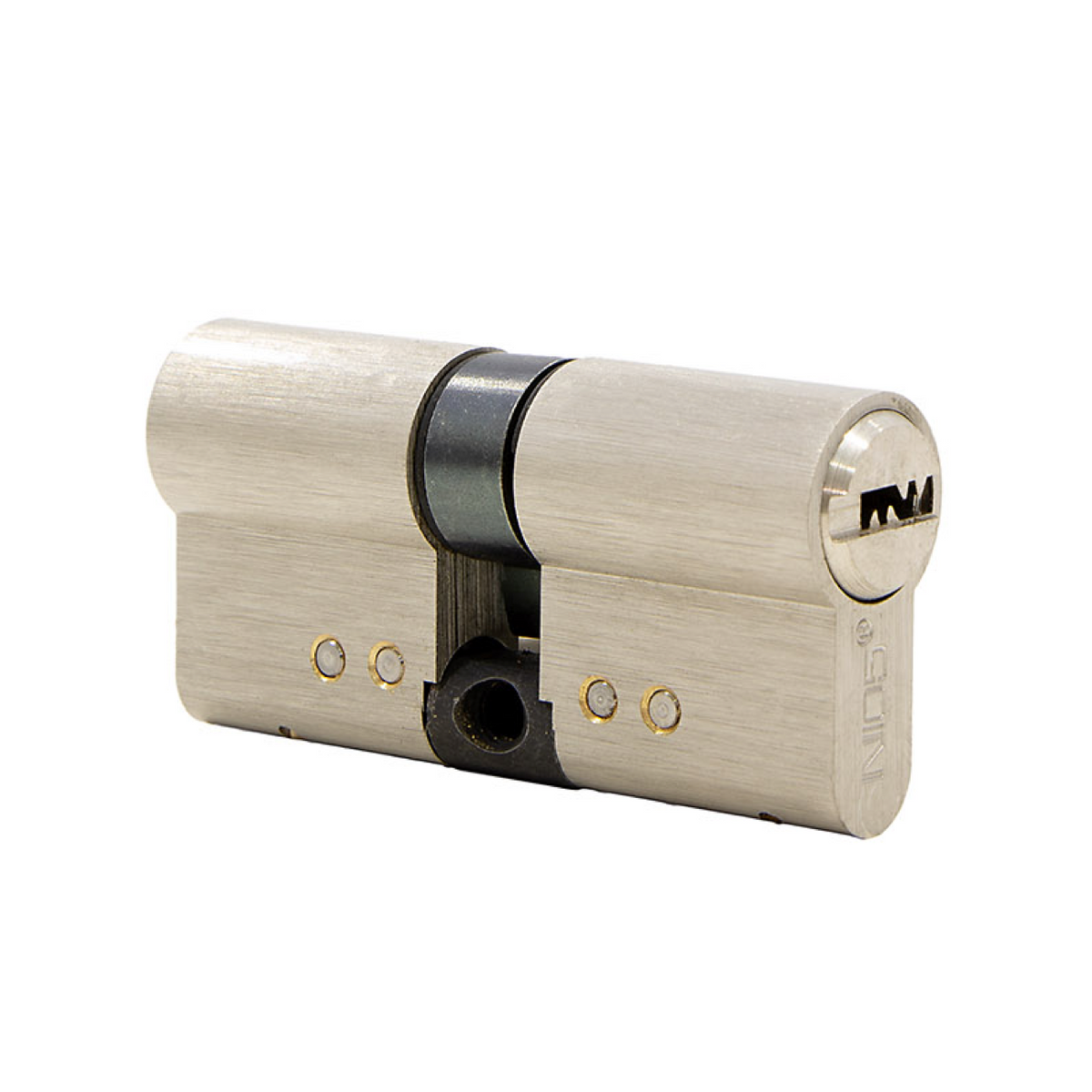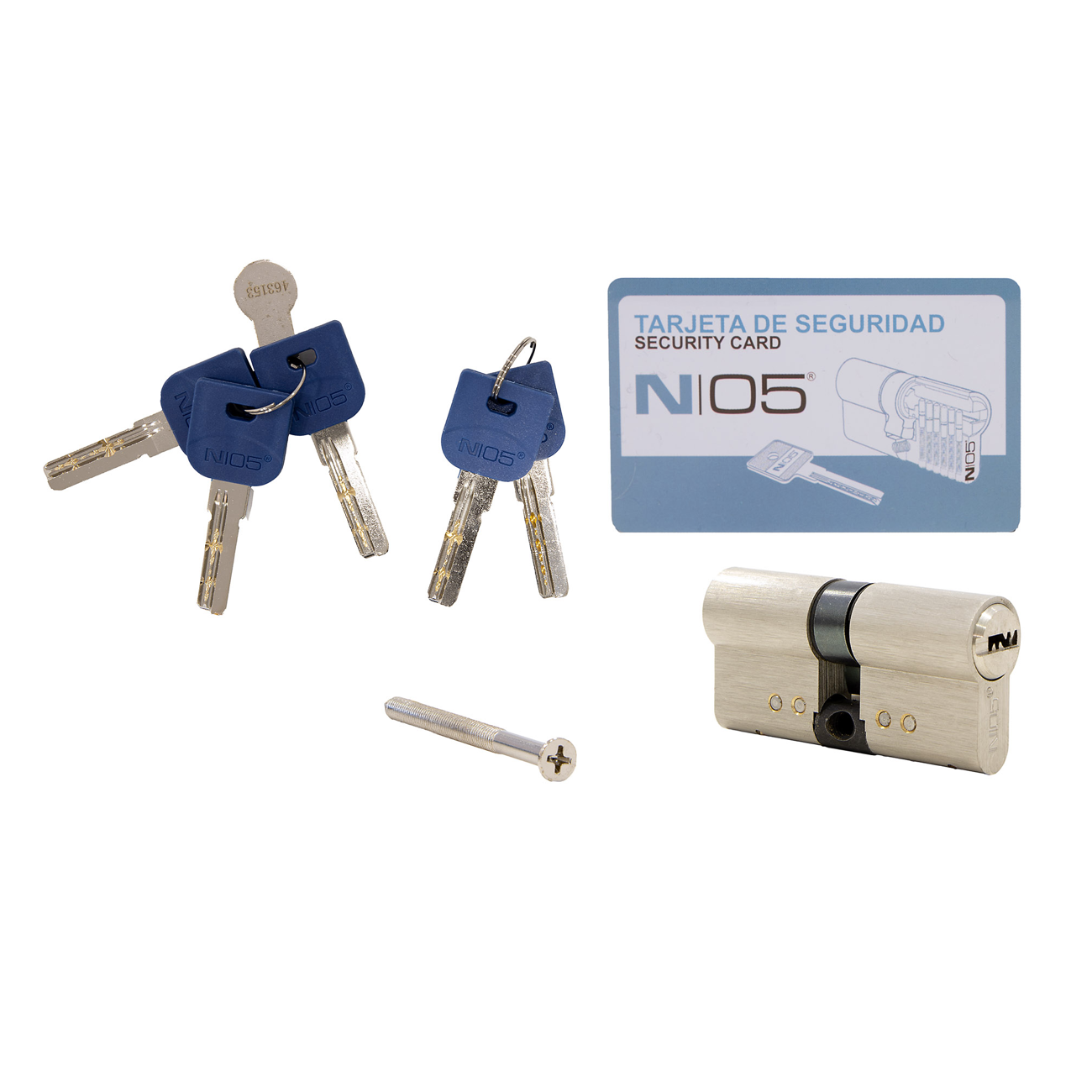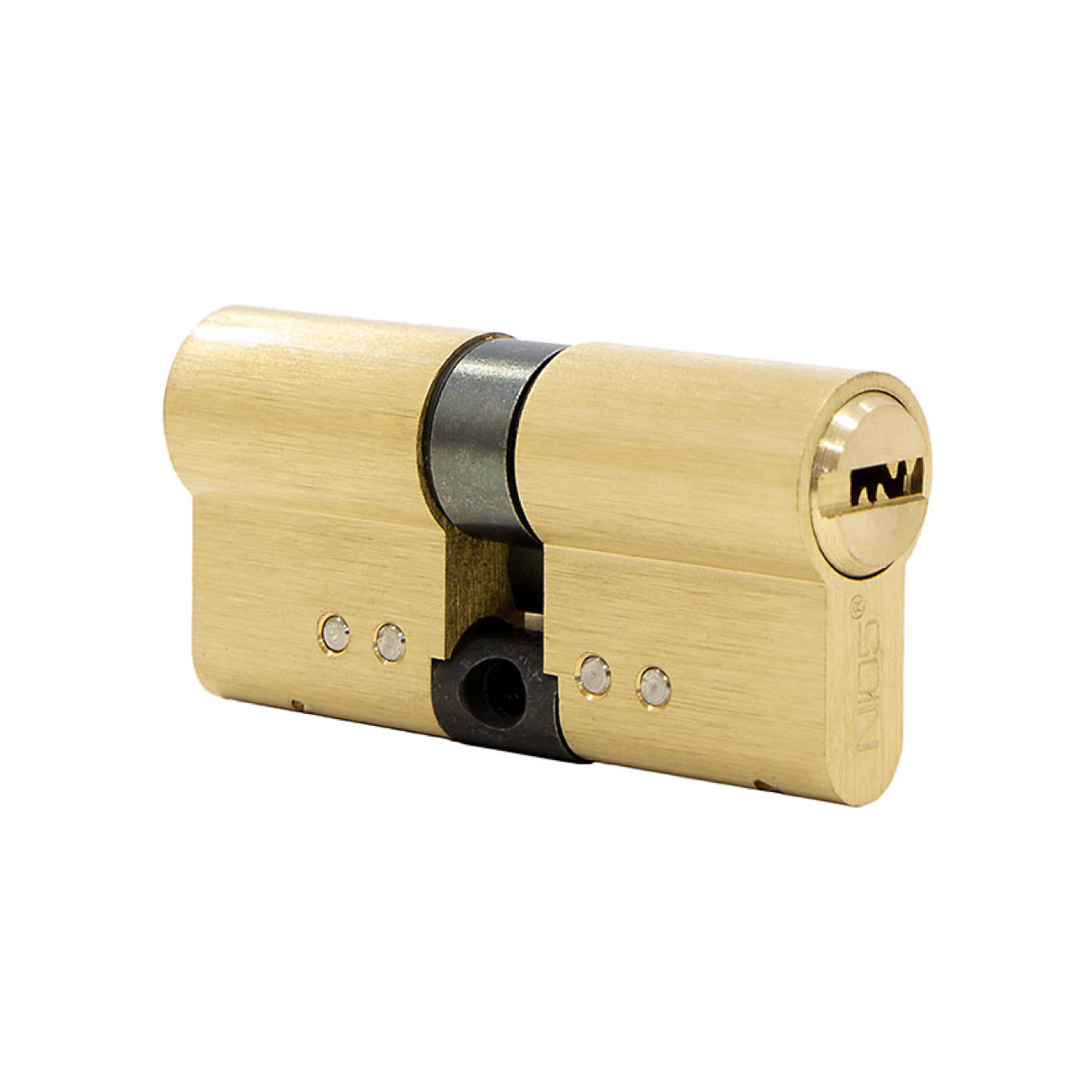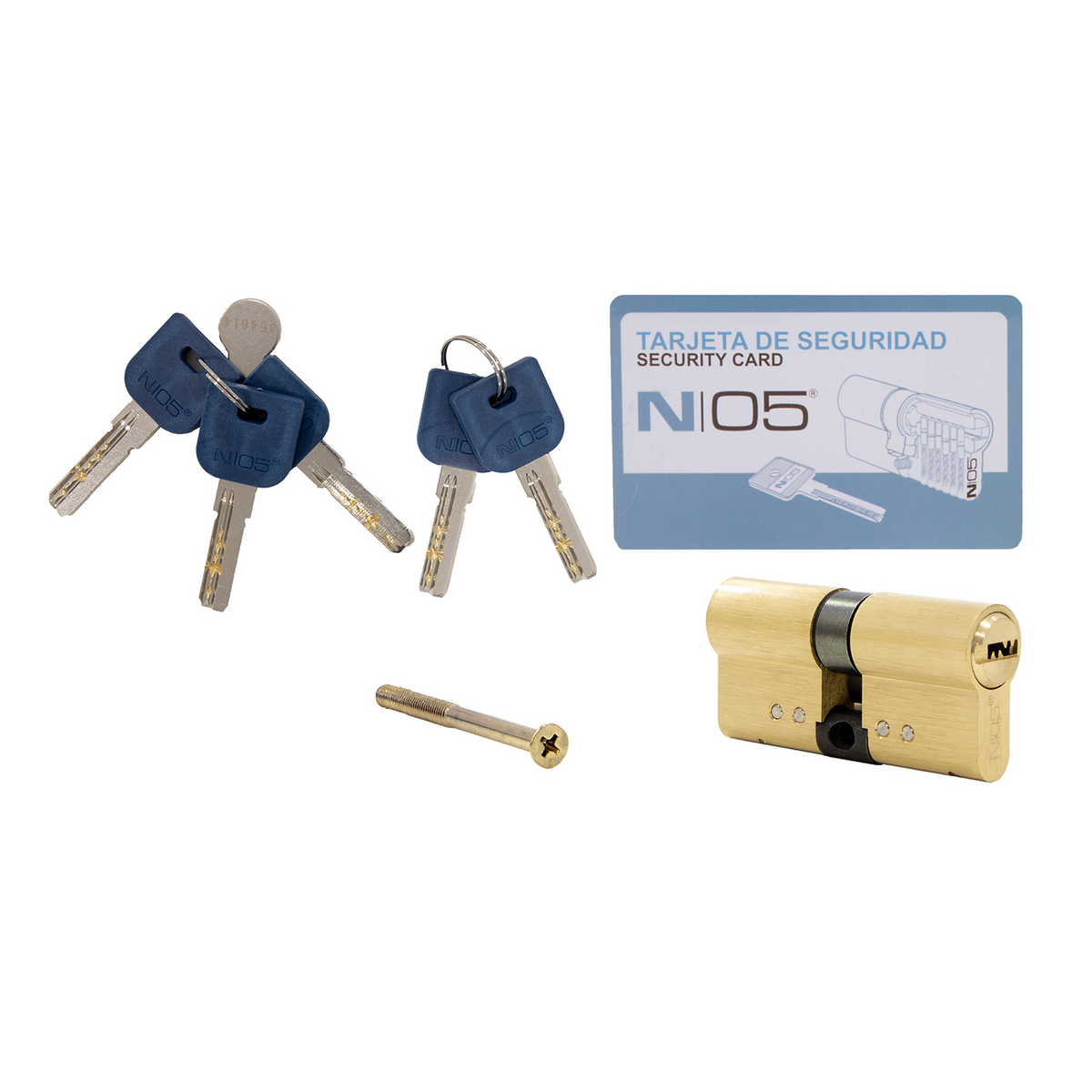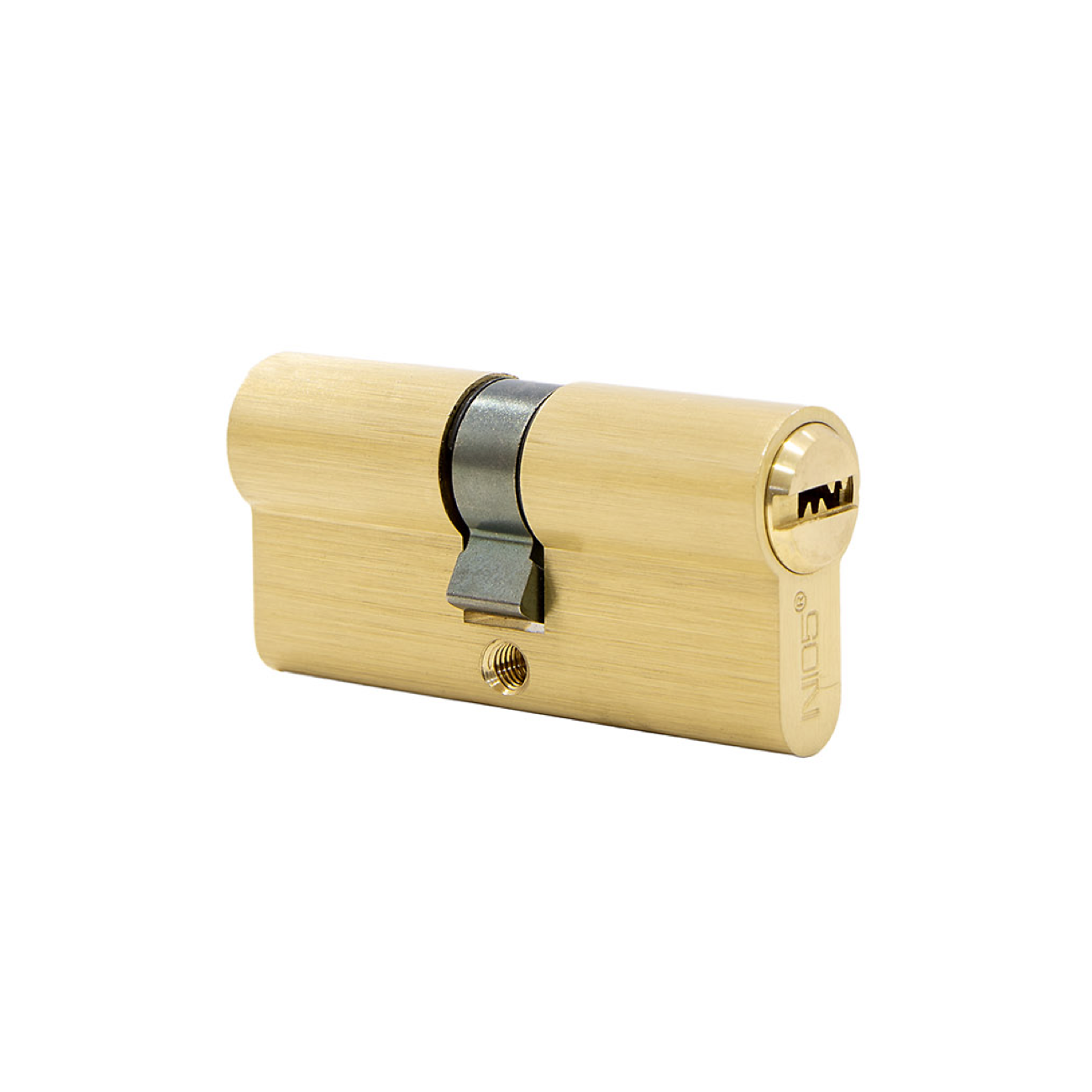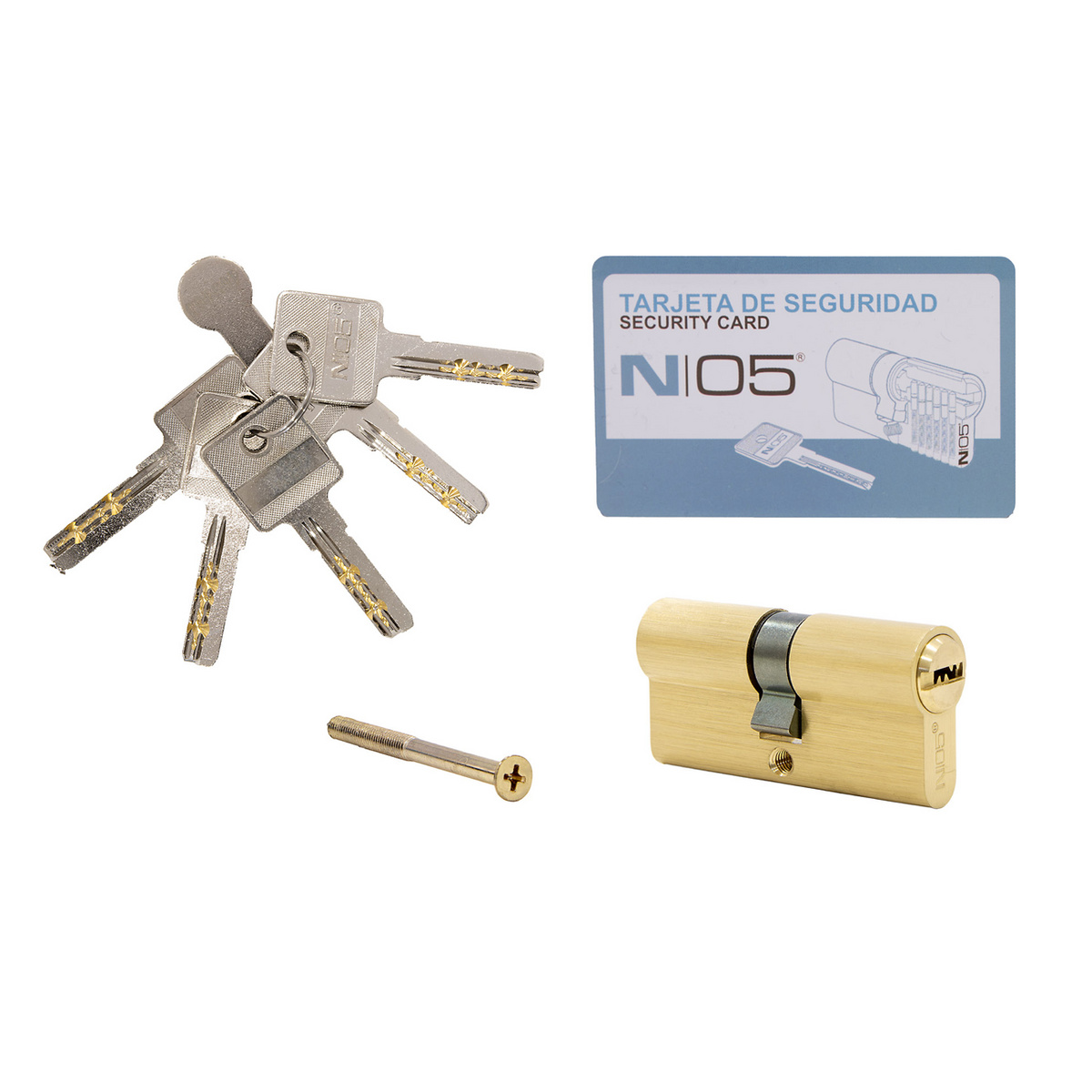
The door cylinder, also known as a barrel, is the key entry mechanism that operates the lock and allows for the opening or closing of the latches or bolts that make up the lock. It is important to keep in mind that the cylinder is the part where the key is inserted; therefore, in the event of a lost key or a need to change the set of keys, it is sufficient to replace the cylinder rather than the entire lock.
Furthermore, it stands to reason that there are various types of cylinders that adapt to the circumstances and needs of each type of door. For this reason, one of the factors to consider when choosing the most suitable type of cylinder for a door is the type of key that will be required to open it (as the cylinder directly influences the type of key needed). Another factor to keep in mind is the material of the door or cylinders that provide additional security. The shape of the cylinder or its finishes and materials can also vary.


Types of lock cylinders
Cylinder entry
One of the main differences that distinguishes some cylinders from others is the number of entries or the specific opening mechanisms they have. Therefore, we can distinguish between single-entry, double-entry, and thumbturn cylinders.
Single-entry cylinders allow the door to be locked only from the outside, making them ideal for rooms that do not need to be locked from the inside. On the other hand, there are double-entry cylinders, which allow the key to lock the door from both sides. While it is true that it is most common for the door to be opened from the outside, they provide versatility. Finally, there are also thumbturn cylinders, which allow the door to be opened with a key from the outside and from the inside via a knob or latch.


Door cylinder measurement
Cylinders can also be differentiated according to their size and position. Thus, we can find centered, asymmetrical, and half-cylinder types. Centered cylinders have the cam in the midpoint between the two ends. The most common sizes for this type are 20x20mm, 30x30mm, 35x35mm, and 40x40mm. On the other hand, asymmetrical cylinders are those where the distances from each end to the cam are different. This is why they are also known as offset cylinders, with the most common distances being 30x35mm, 30x40mm, 30x50mm, and 40x50mm. Finally, there are also half-cylinders, which are characterized by being half the length of the standard size (30x10).

Cylinder profile
Cylinders can also be characterized by having different types of profiles. We can find teardrop-shaped, oval-profile, or round cylinders. Teardrop cylinders (often referred to as euro-profile) are the most common for all types of doors. As the name suggests, they have a shape similar to a pear (a circular part and a narrow lower part). There are also oval cylinders, although they are less common. Finally, there are round cylinders, whose shape is almost entirely cylindrical, and they are slightly more common than oval cylinders.


Security cylinders
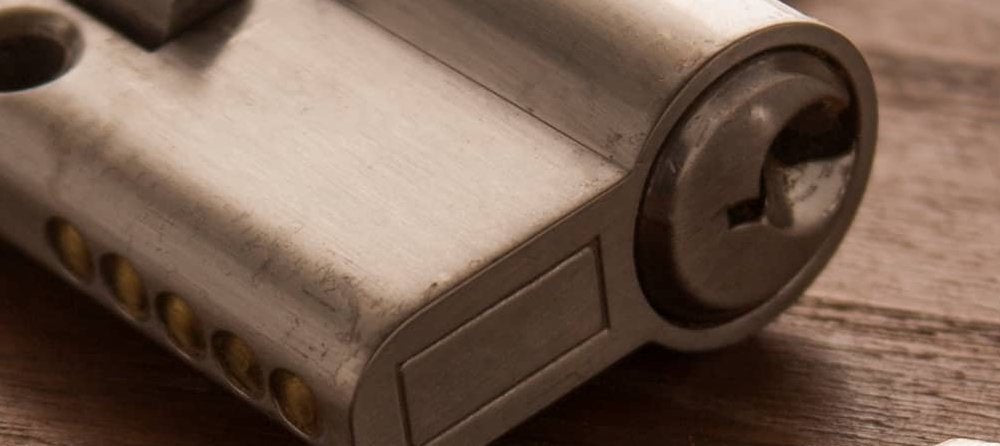
There is a range of cylinders characterized by offering greater security for home doors. This is the case with anti-bumping cylinders, which are a type of high-security cylinder. They are designed to prevent entry via the bumping method (a technique for opening doors that involves inserting the key and striking the edge to damage the internal mechanism and open the door). This increased security is often used in armored door cylinders, as the material of the door calls for additional security. If you want to increase the security of your doors, these types of cylinders offer the best guaranteed protection.

At TiendaManilla, we offer you the best door cylinders to ensure the highest security for all the doors in your home.