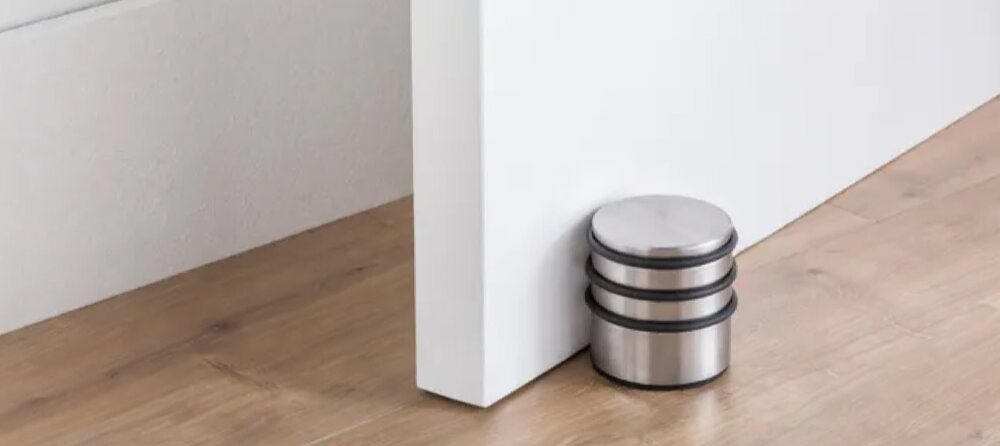
How to choose door stoppers
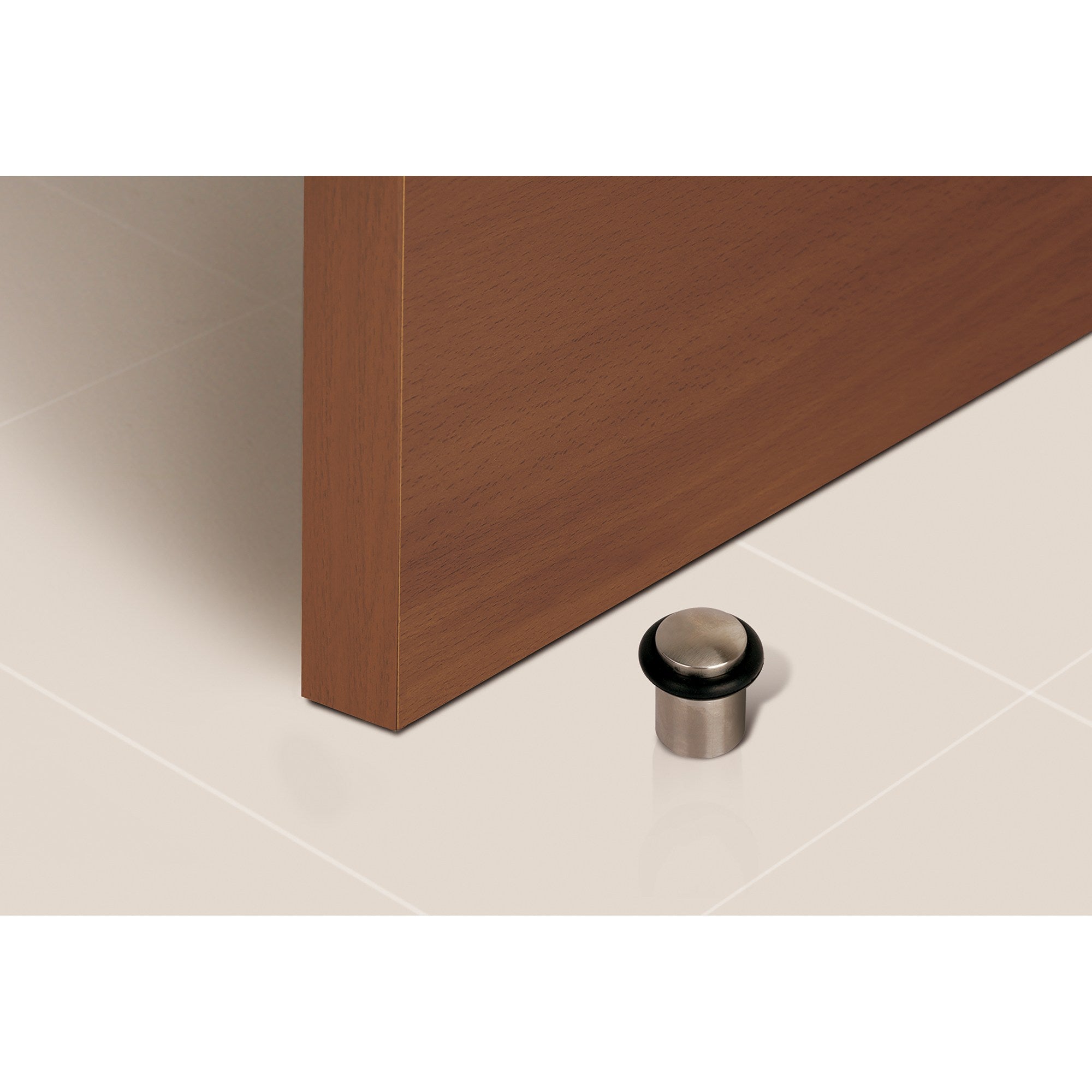
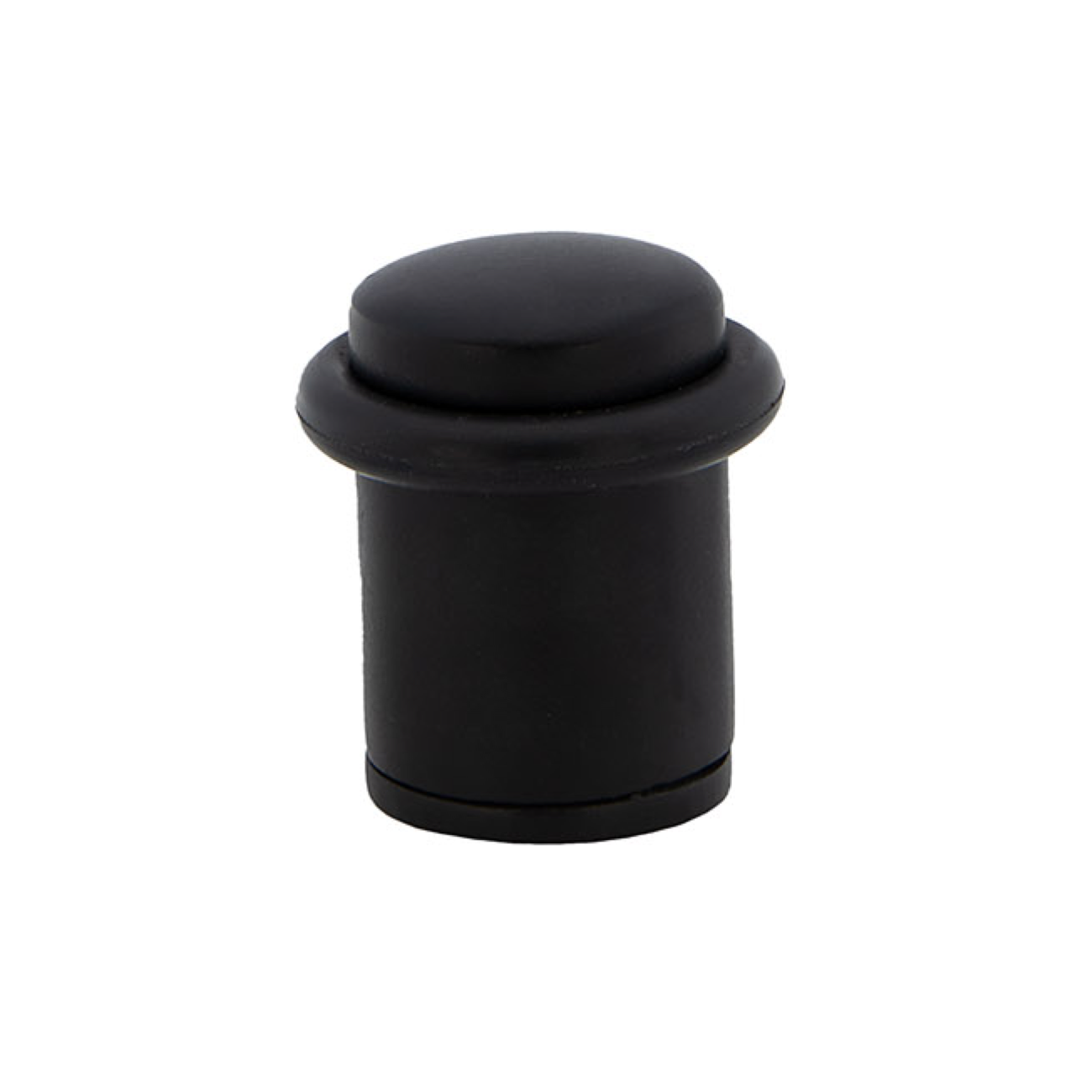
The main function of door stoppers is to protect walls and furniture from possible bumps caused by opening or closing doors. Thus, to avoid the damage that doors can cause, it is common to place these accessories that secure doors so they do not move and cause broken glass, scratches, cracks, or even damage to the door itself.
Therefore, there is a wide variety of stoppers for wall-mounted doors and floor-mounted door stoppers. These can vary according to their aesthetics, material, design, or even functionality. That is why, in order to install a door stopper, it is important to first know what types exist and what differences there are:
1. Standard cushioning stopper
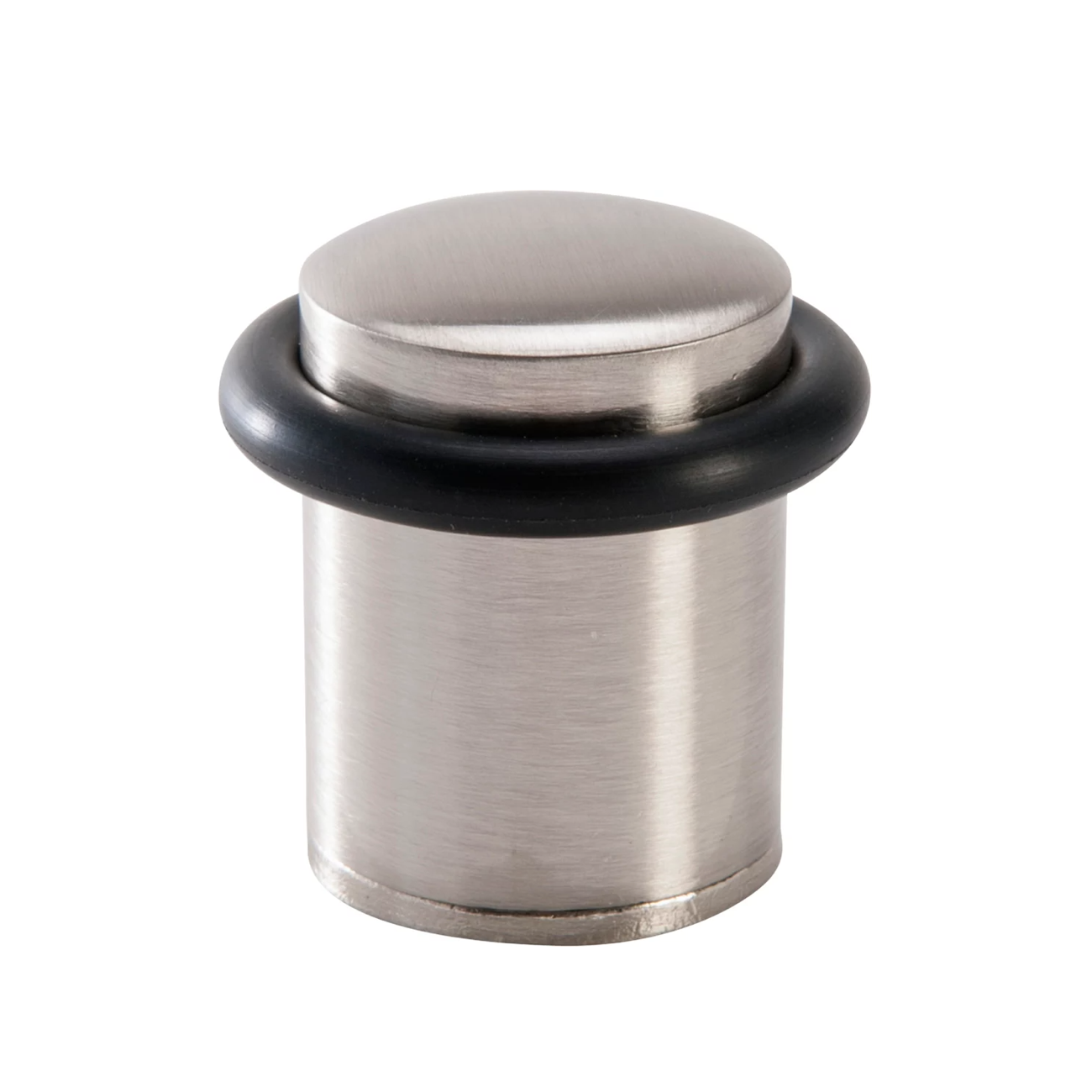
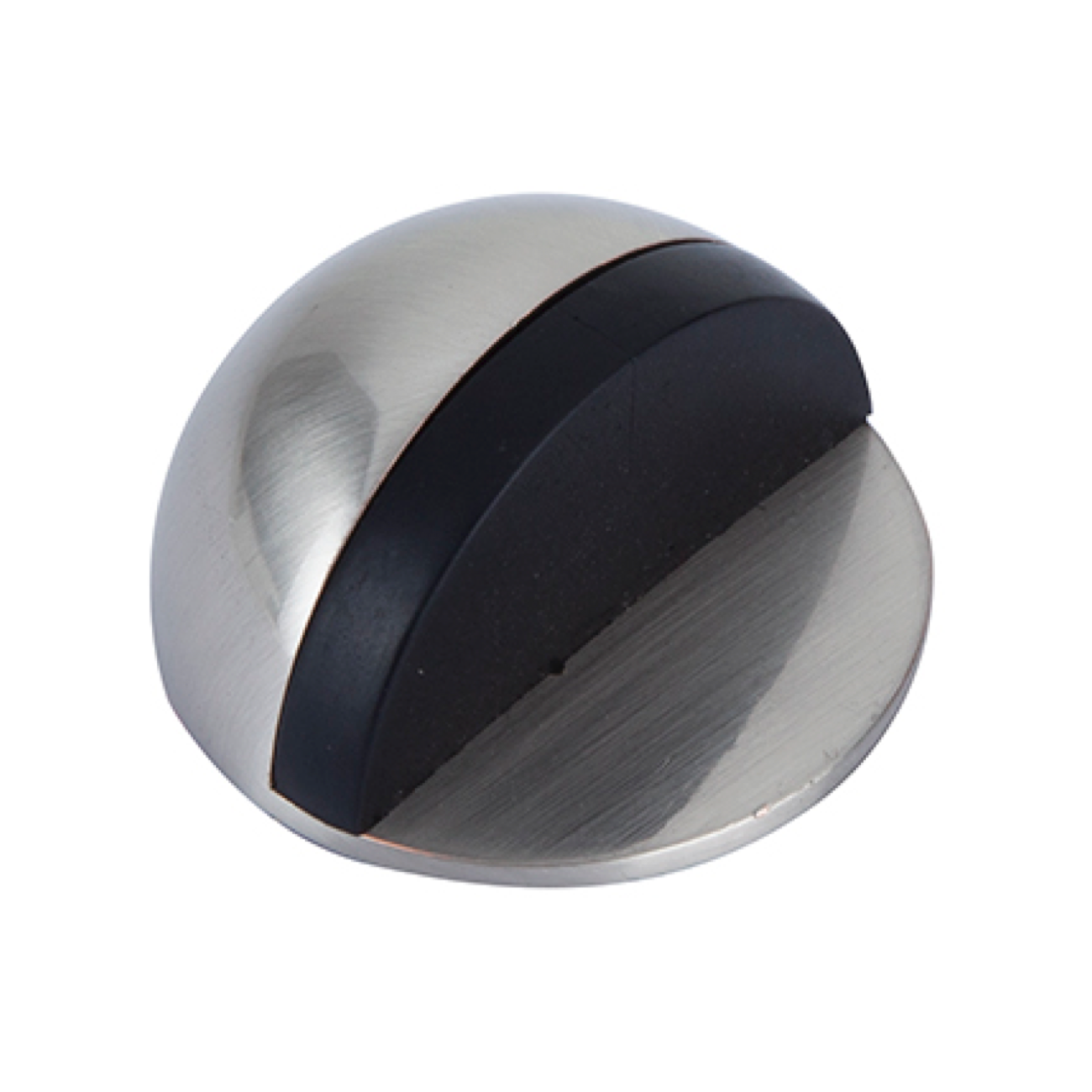
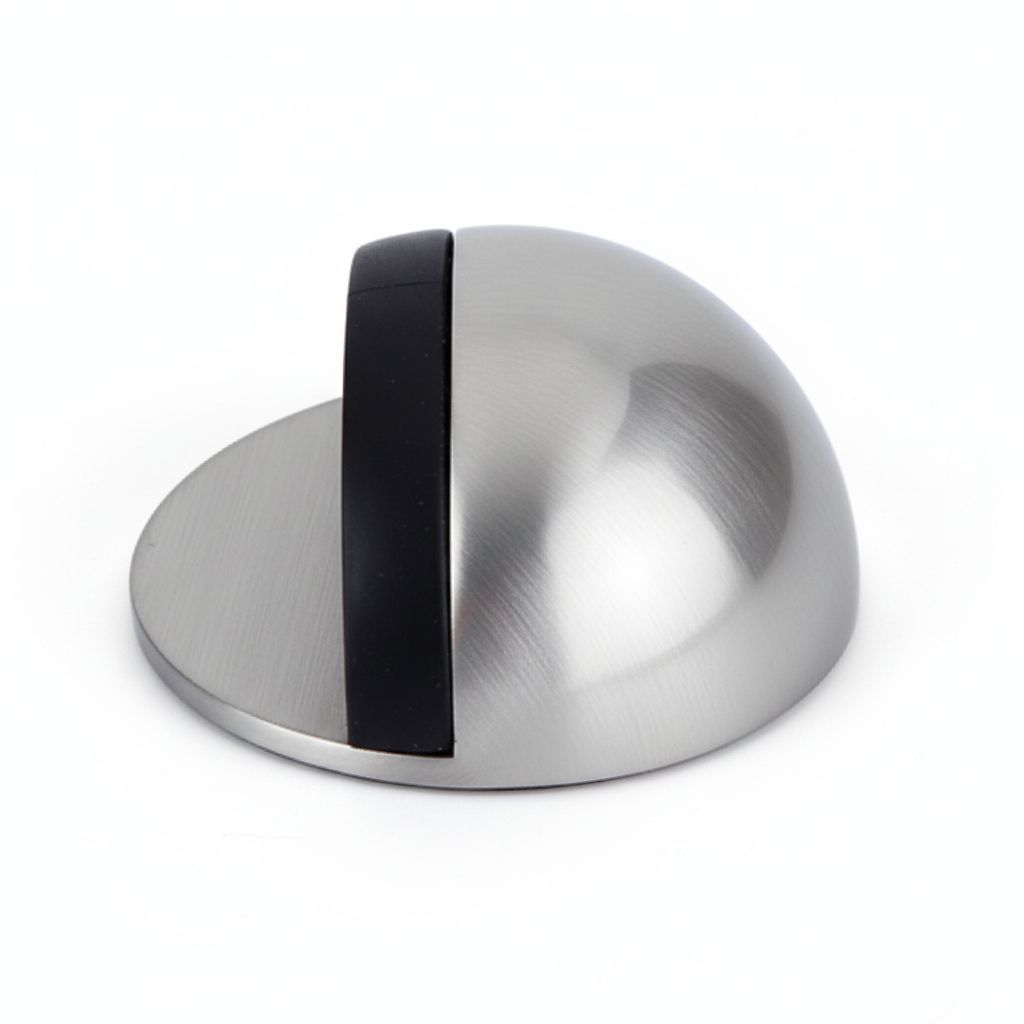
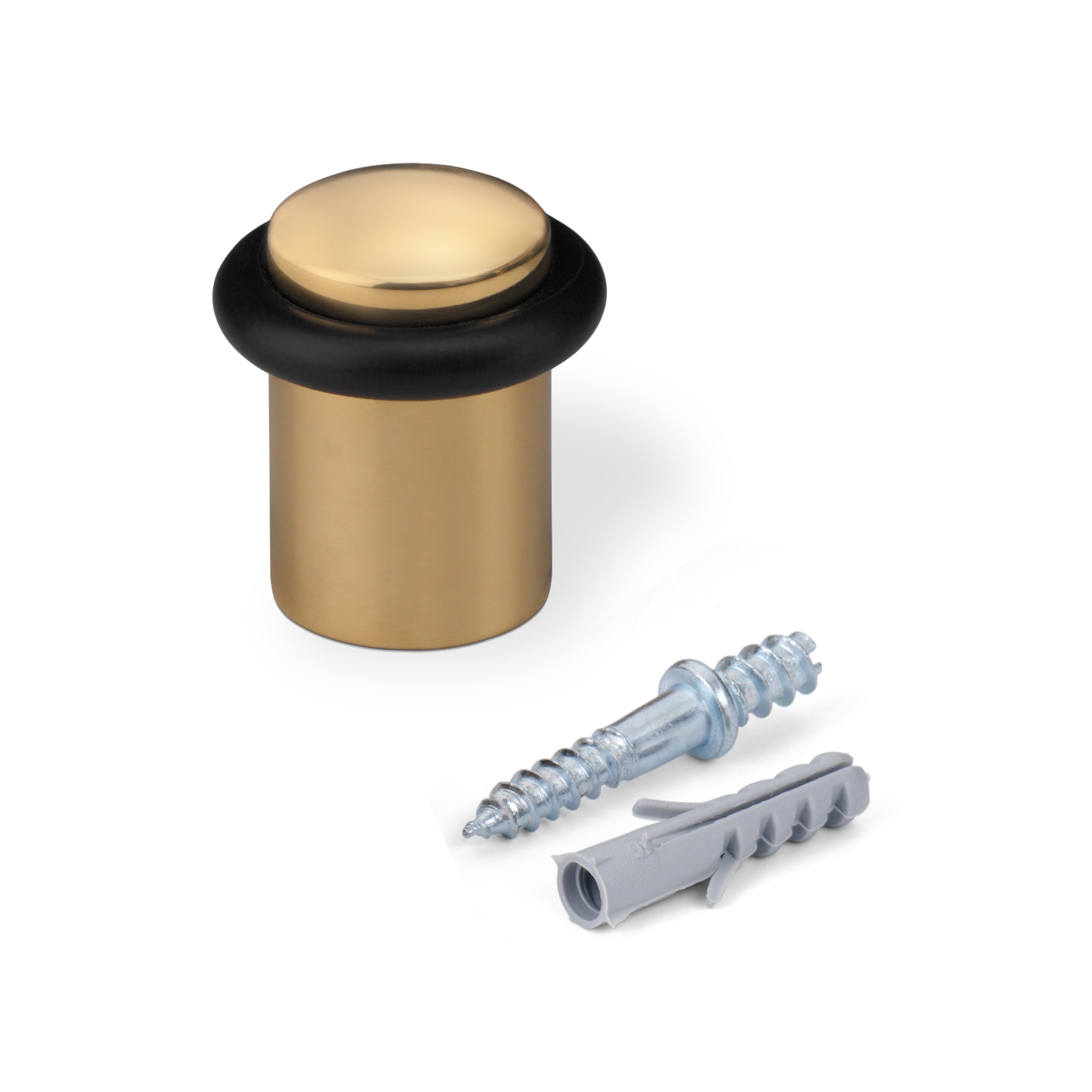
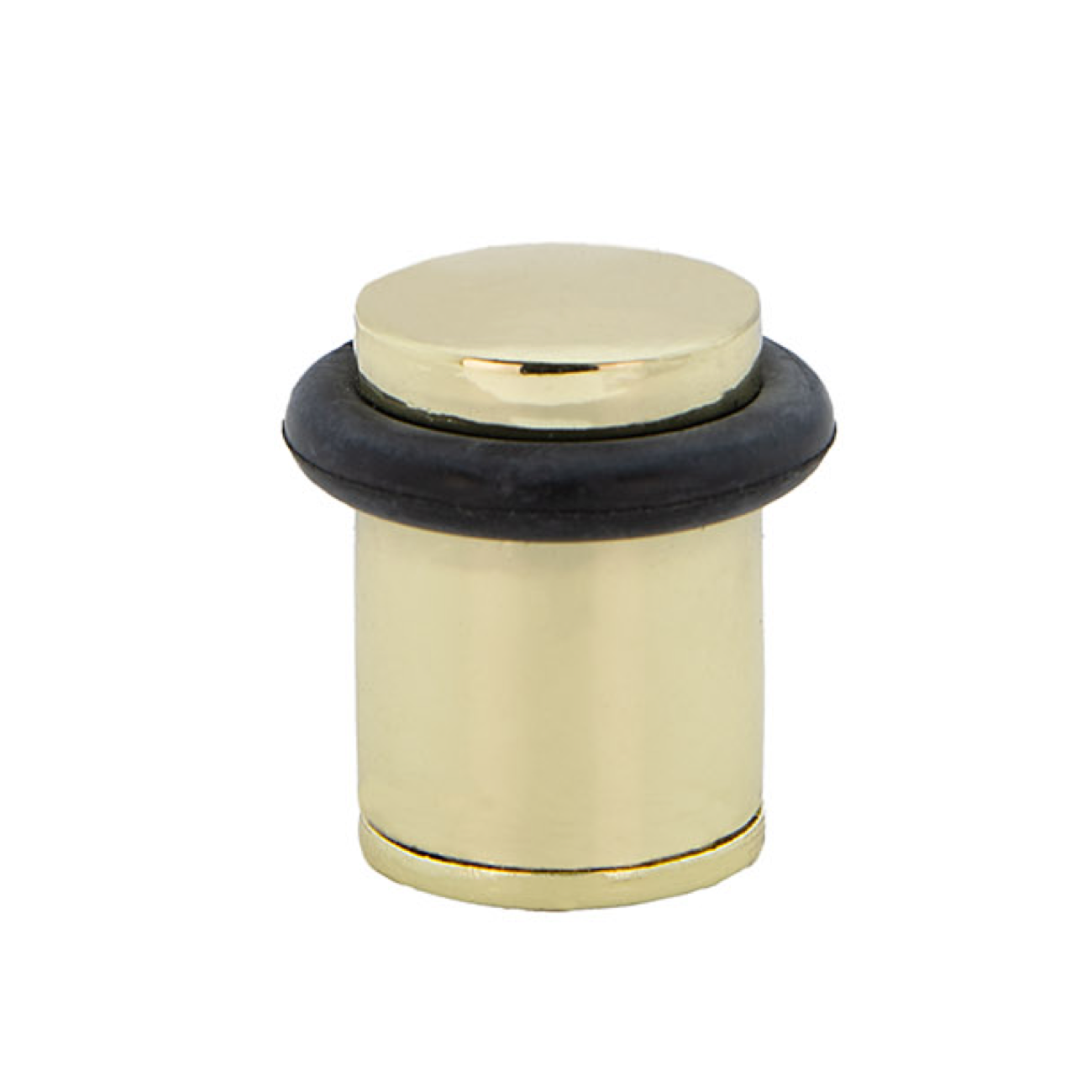
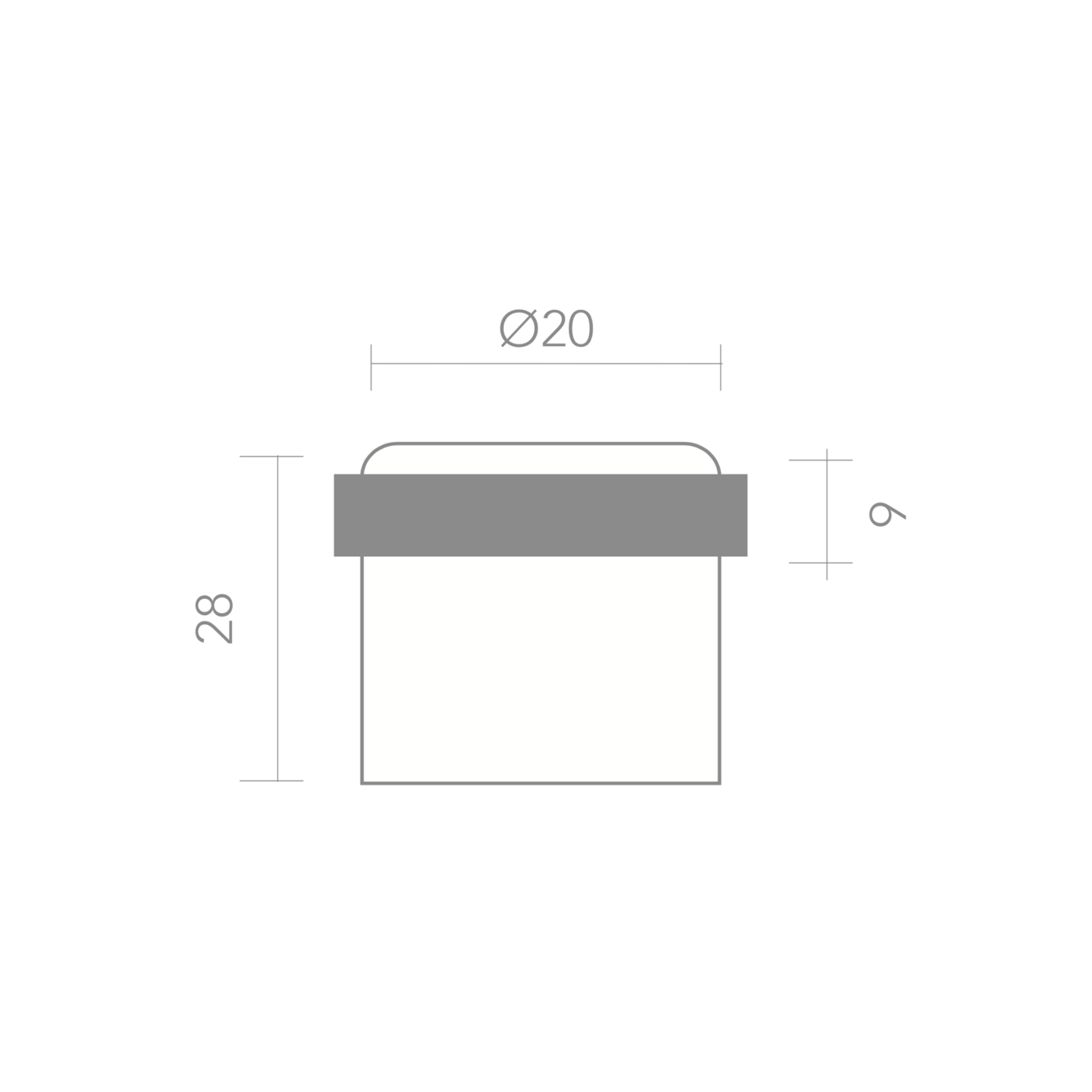
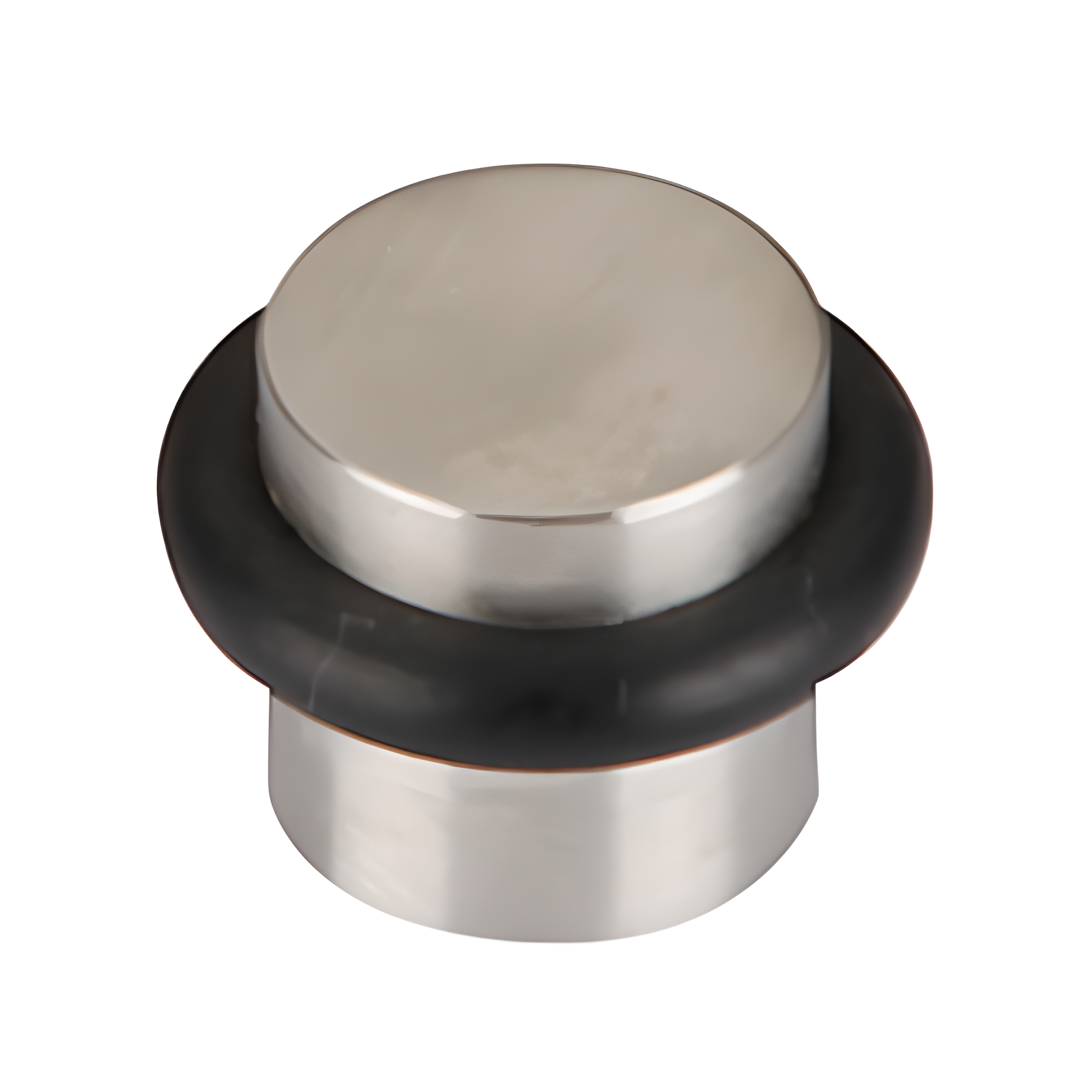
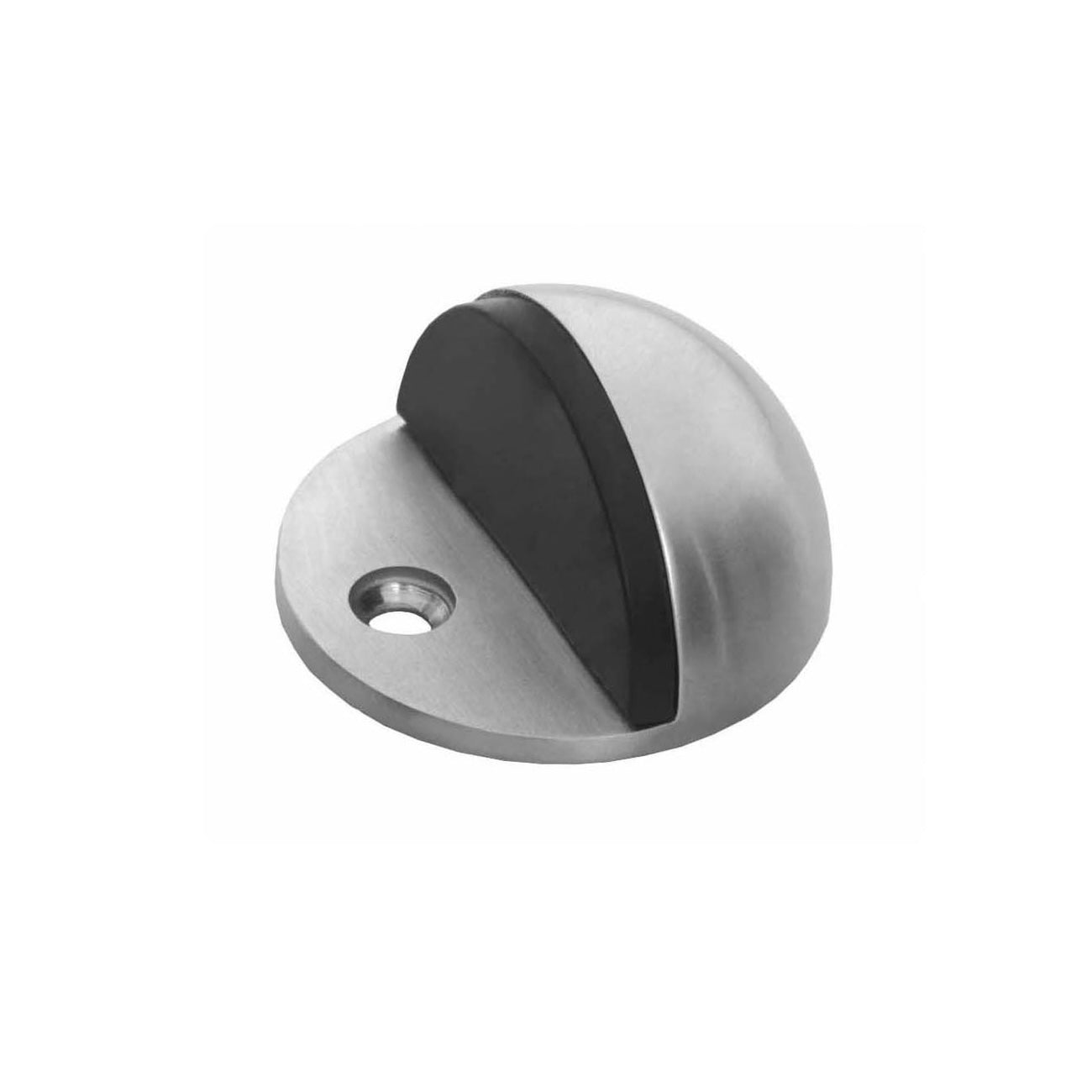
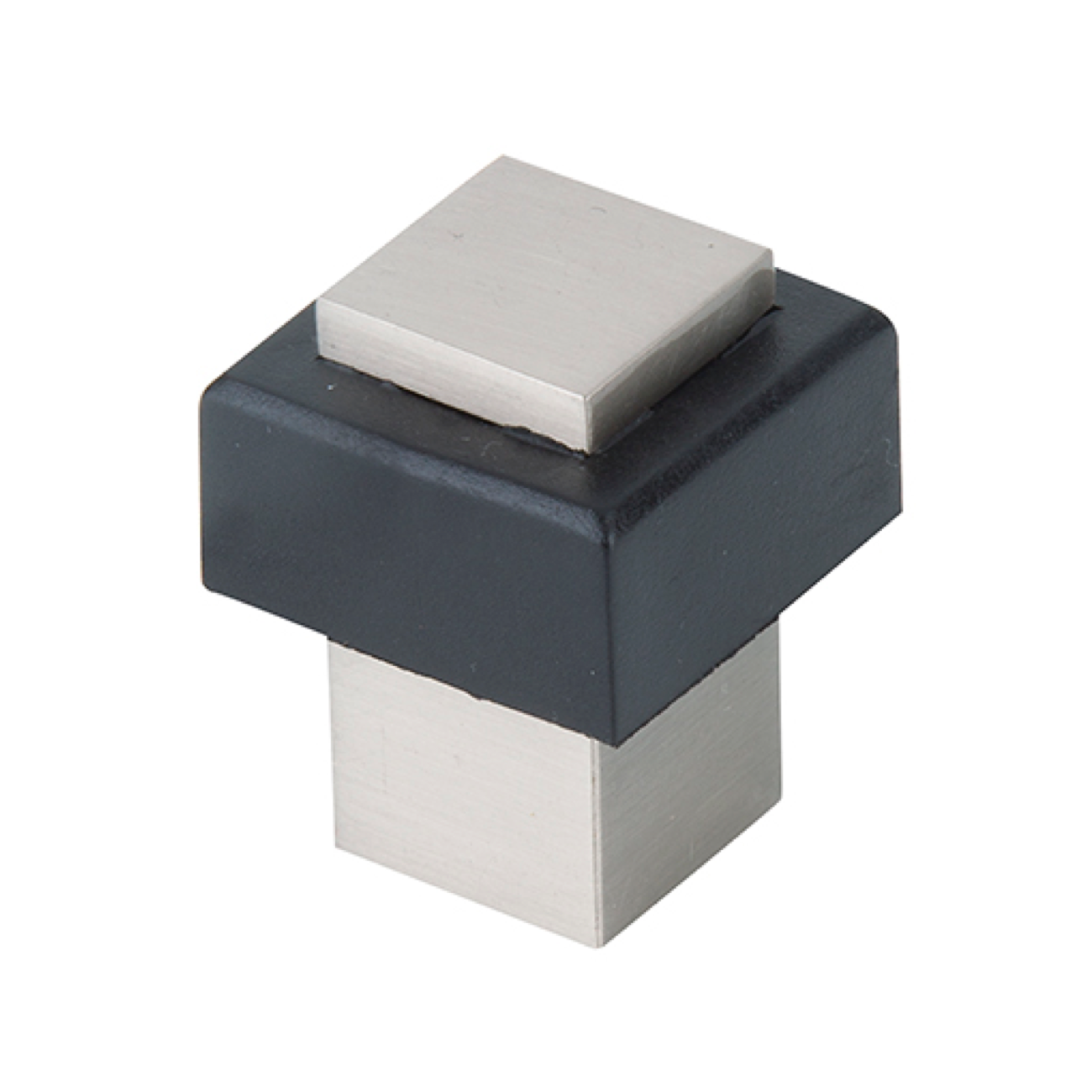
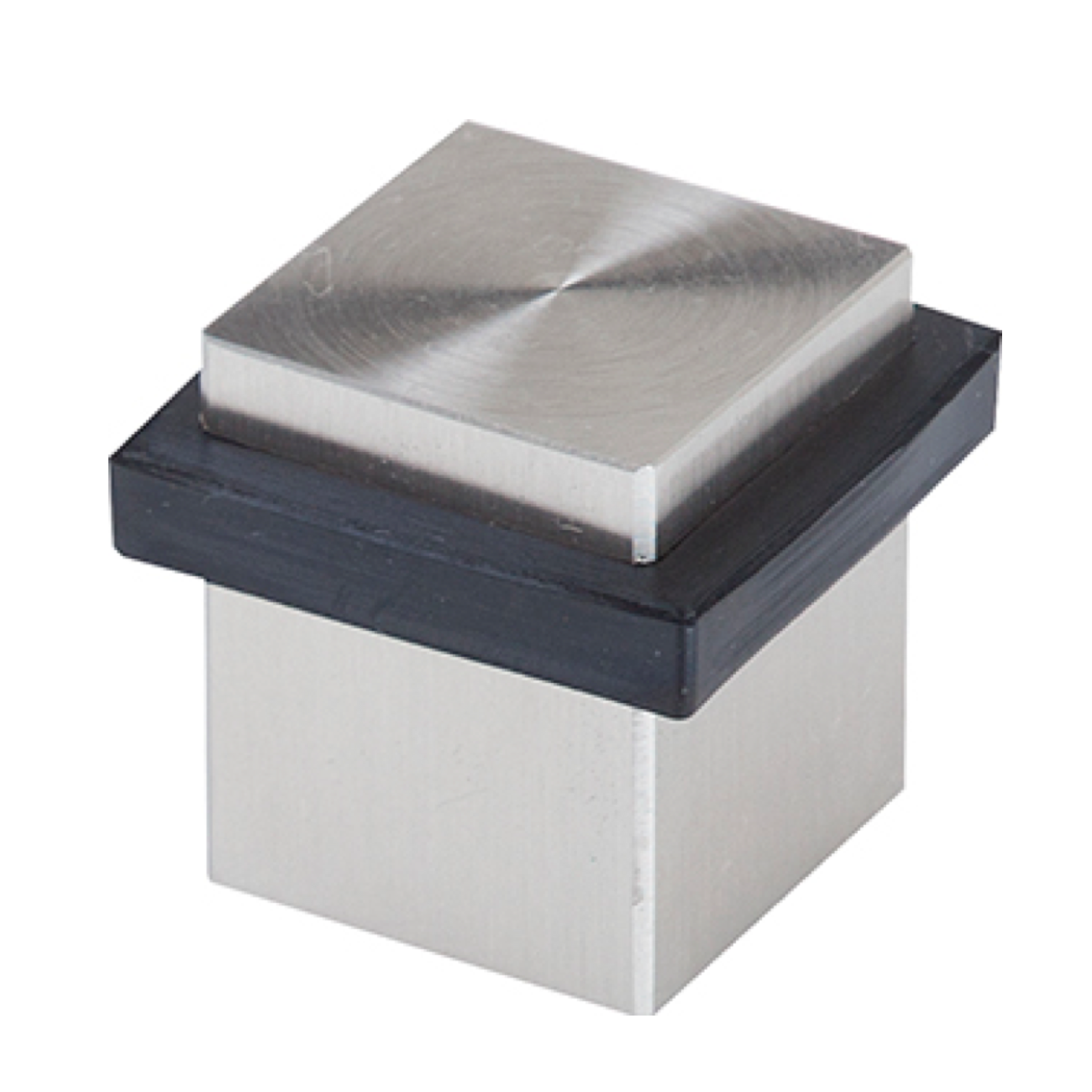
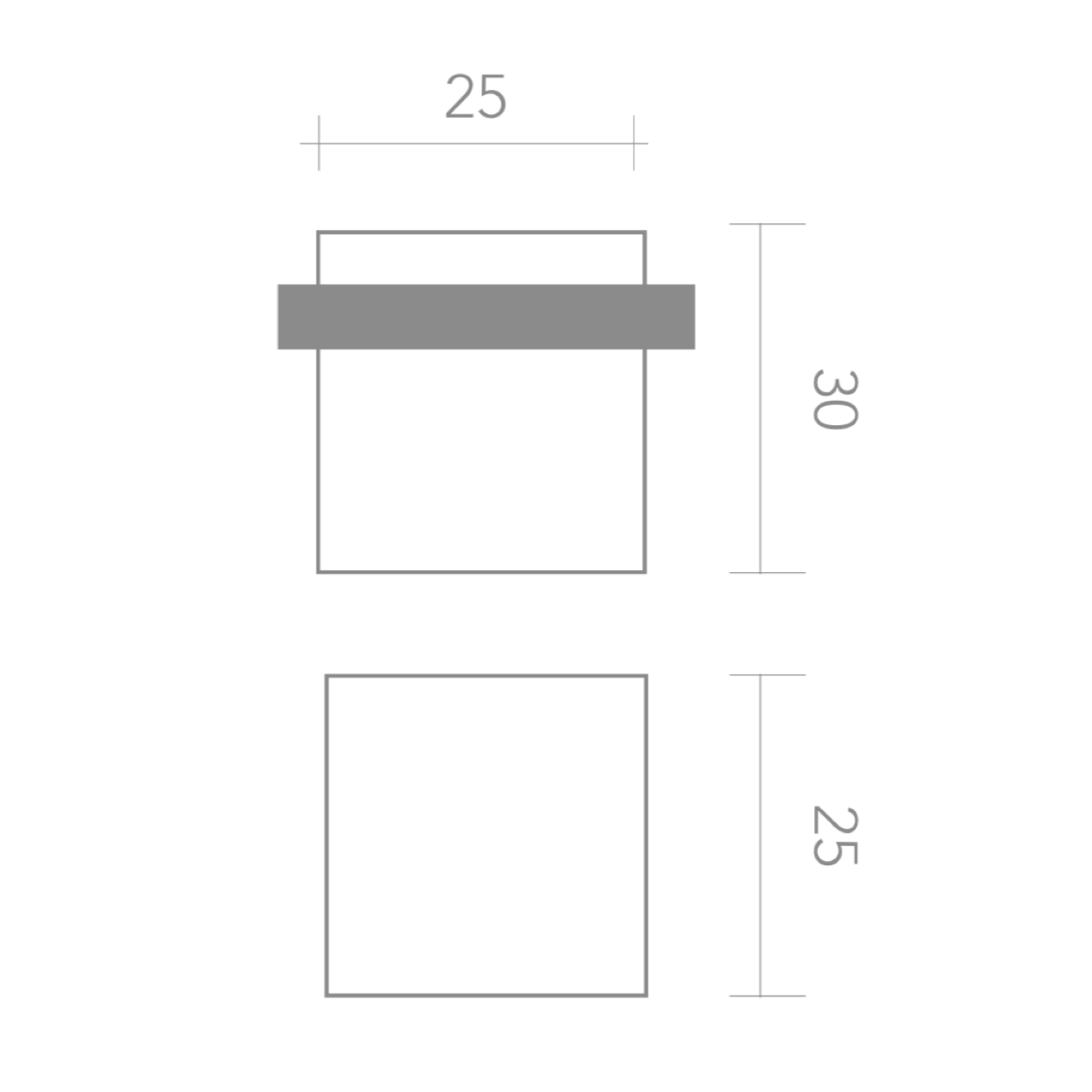
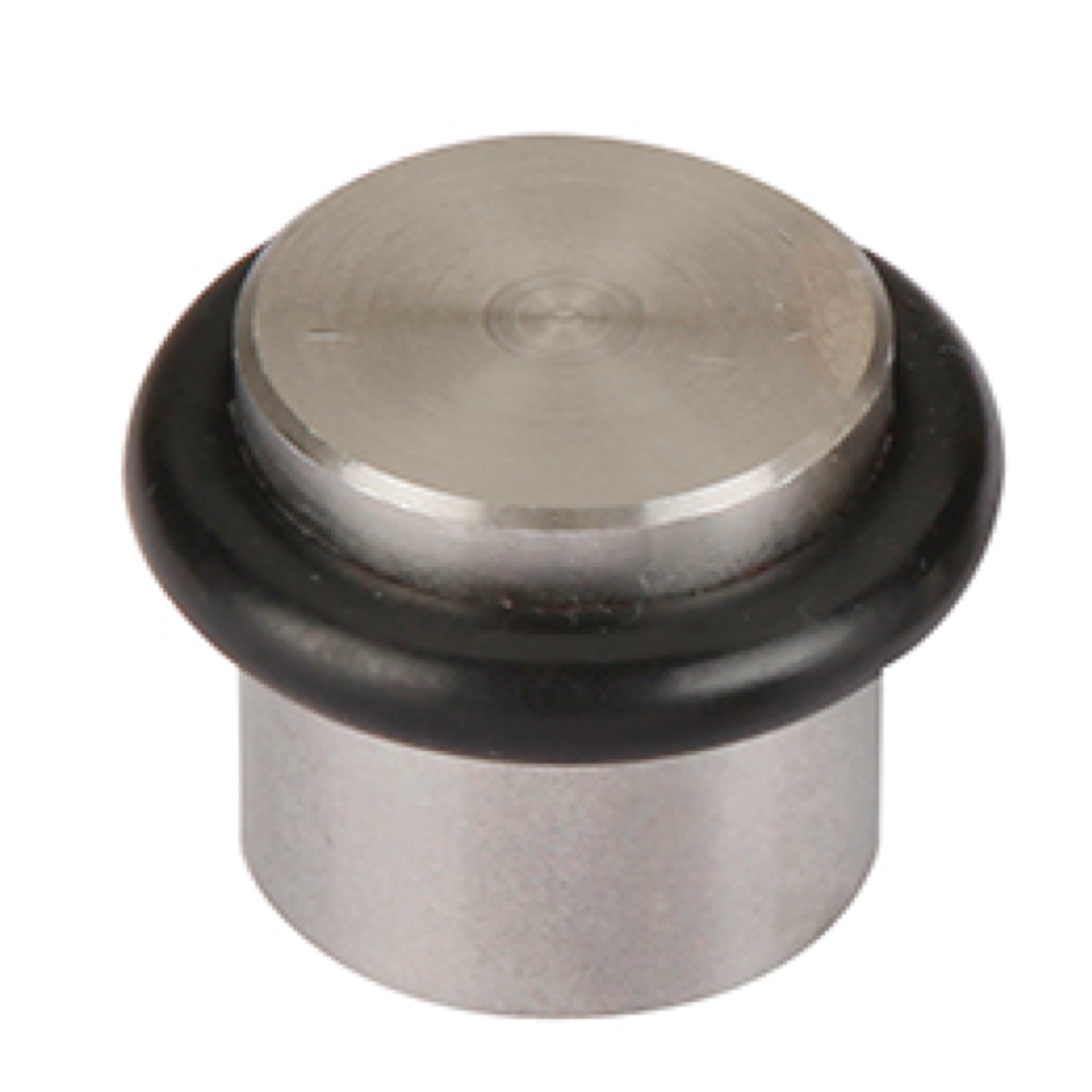
It is the most common of all stoppers, and its main function is to protect against potential impact damage to furniture and walls. While it is true, these stoppers can vary depending on whether they are fixed to the wall or the floor using screws or adhesives (there are even magnetic door stoppers).
On the other hand, they can vary according to the material they are made of. It is common for them to be made of wood, plastic, or metal. Some even include springs or rubber for greater protection and reduced impact. These elements give the stoppers a special characteristic, making them silent stoppers as they better absorb the noise caused by impacts.
If you want to see our full catalog of standard door stoppers, check out this catalog:
Door stoppers

2. Holding stopper
There is a special type of stopper that serves the additional function of holding the door to ensure greater convenience. These retainers can function thanks to a rotating piece, a clip, or even a magnet. They can vary according to the finishes as well as the materials, and can even be fixed using screws or adhesives.


If you want to check the available door retainers, check our catalog here:
Door retainers
3. Wedges and retainers
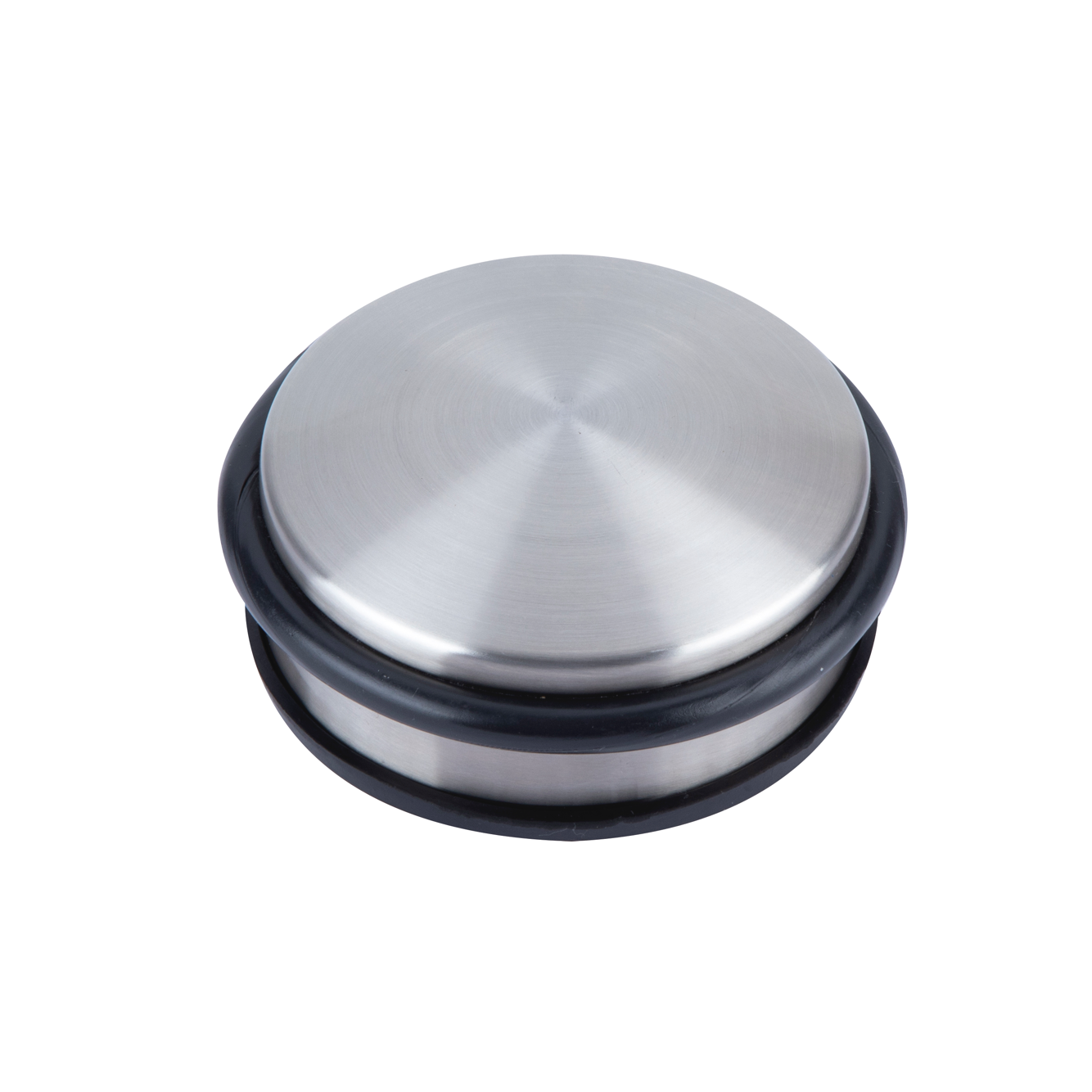
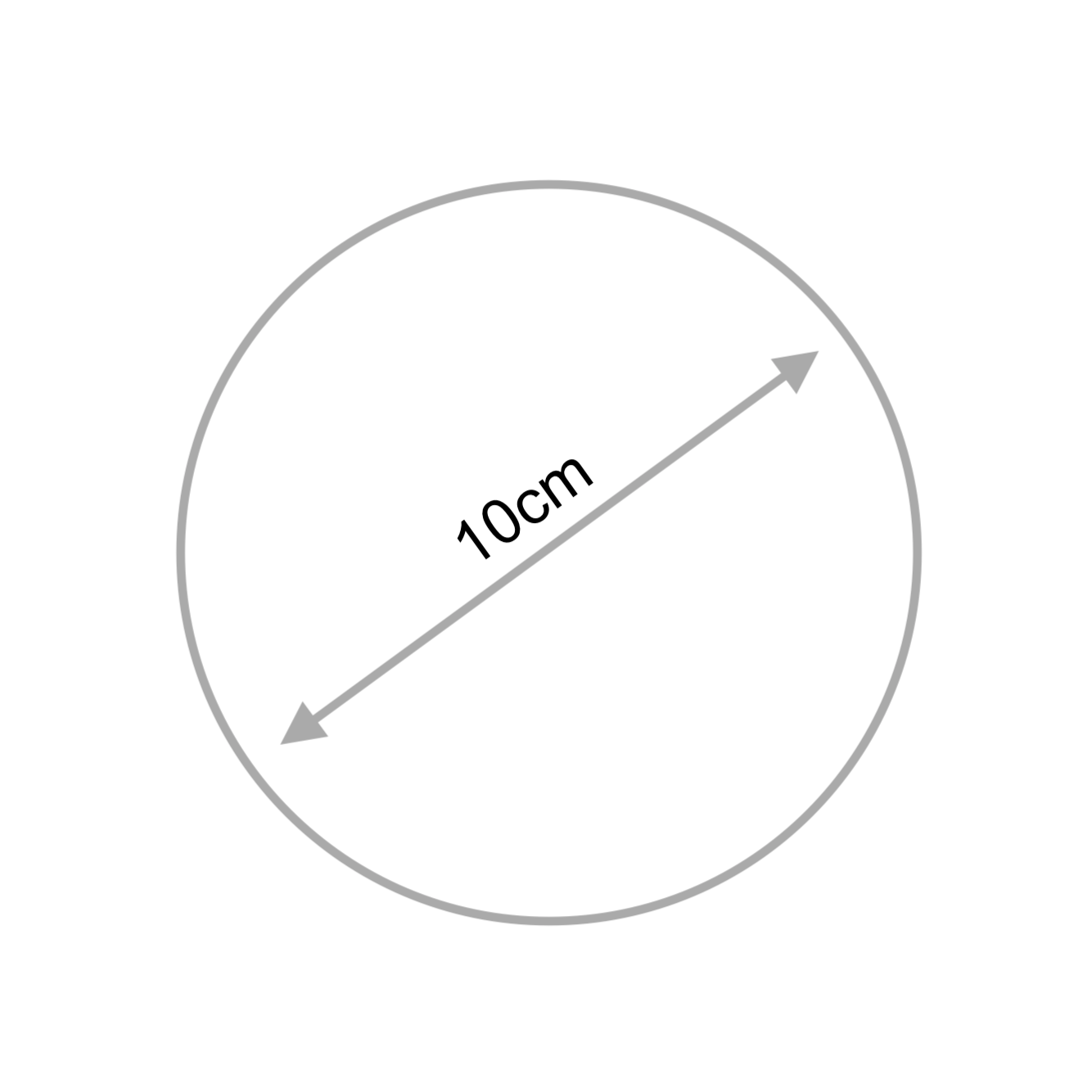
There are other elements that perform a similar function without needing to be fixed to the door or wall. This is the case with wedges, which allow you to hold the door in place at specific times without the need for drilling any holes. In the case of heavy doors or doors that are elevated, there are certain elements that adapt to these characteristics, acting as a kind of stopper for large doors, since conventional stoppers would not fulfill their function. Therefore, these retainers are large pieces that adapt to this type of door and can also be removed after use.

See our catalog of door wedges:
Door wedges
4. Other types of stoppers
There are some types of stoppers that are incorporated directly into the door handles to avoid damage to walls or furniture. In this way, handle stoppers are a solution for avoiding floor-mounted stoppers. Furthermore, their installation on the handle is very simple and prevents collision with the wall by absorbing all the force generated by the impact. It is inserted into the handle as if it were a ring.
Another more subtle option are adhesive dots that prevent bumps on doors, windows, drawers, tables, or lids. Their installation is also very simple as it is placed in the spot where you want to prevent the impact, like a sticker. These are a kind of small, transparent door stopper.


All door stoppers
Install a door stopper in 3 steps
As you can see, there is a wide range of types of door stoppers. Therefore, before carrying out the installation process, it is important to choose the most suitable one for the door that will ensure the greatest protection. One of the stoppers that guarantees the most support and protection is the floor-mounted version. Its installation process is quite simple and is summarized in 3 steps:
1. Choose the right place to drill the hole. It is important to take into account the type of flooring, as drilling a hole in parquet is not the same as in tiled floors. In the latter case, it is advisable to drill the hole over a grout line.
Another aspect to keep in mind before drilling is verifying that no pipes or conduits pass through the drilling area. It is very likely that no pipe passes through, but in case it is not checked, the consequences could be flooding or leaks.
2. Mark the drilling area and make the hole. It is important to consider the depth of the hole, as you only need to drill according to the stopper's anchor.
3. Insert the anchor. You can use a hammer to insert it little by little so as not to damage it.

In the event that you do not want to drill, the installation process for adhesive stoppers is very simple. Before sticking it to the floor, it is important to clean the area well with alcohol. Although the stopper has built-in adhesive, it is recommended to add some strong glue to ensure the support and firmness of the door stopper.
At TiendaManilla, we offer the best door stoppers and wedges, thus ensuring the best protection and resistance for your doors!