

Basic tips on bathroom thumbturns for your doors
The hardware installed to add a privacy latch to your door’s tubular latch is called a thumbturn or emergency release. By law, all thumbturns and emergency releases currently on the market (in Spain) must include a safety unlock feature, whether for children or the elderly. In other words, on the inside of the door, the thumbturn has a system to turn by hand and lock the latch (the standard), but on the outside, it is mandatory to provide an opening option, which allows the latch to be unlocked with a coin or a screwdriver to open the door.
In the past, it was better to avoid letting children or the elderly lock themselves in bathrooms or rooms to prevent issues, as the latch mechanism could break, making it impossible to open the door. Nowadays, there is no need to worry, as simply turning the emergency release on the outside of the door is enough to unlock the latch and allow the handle to be operated.
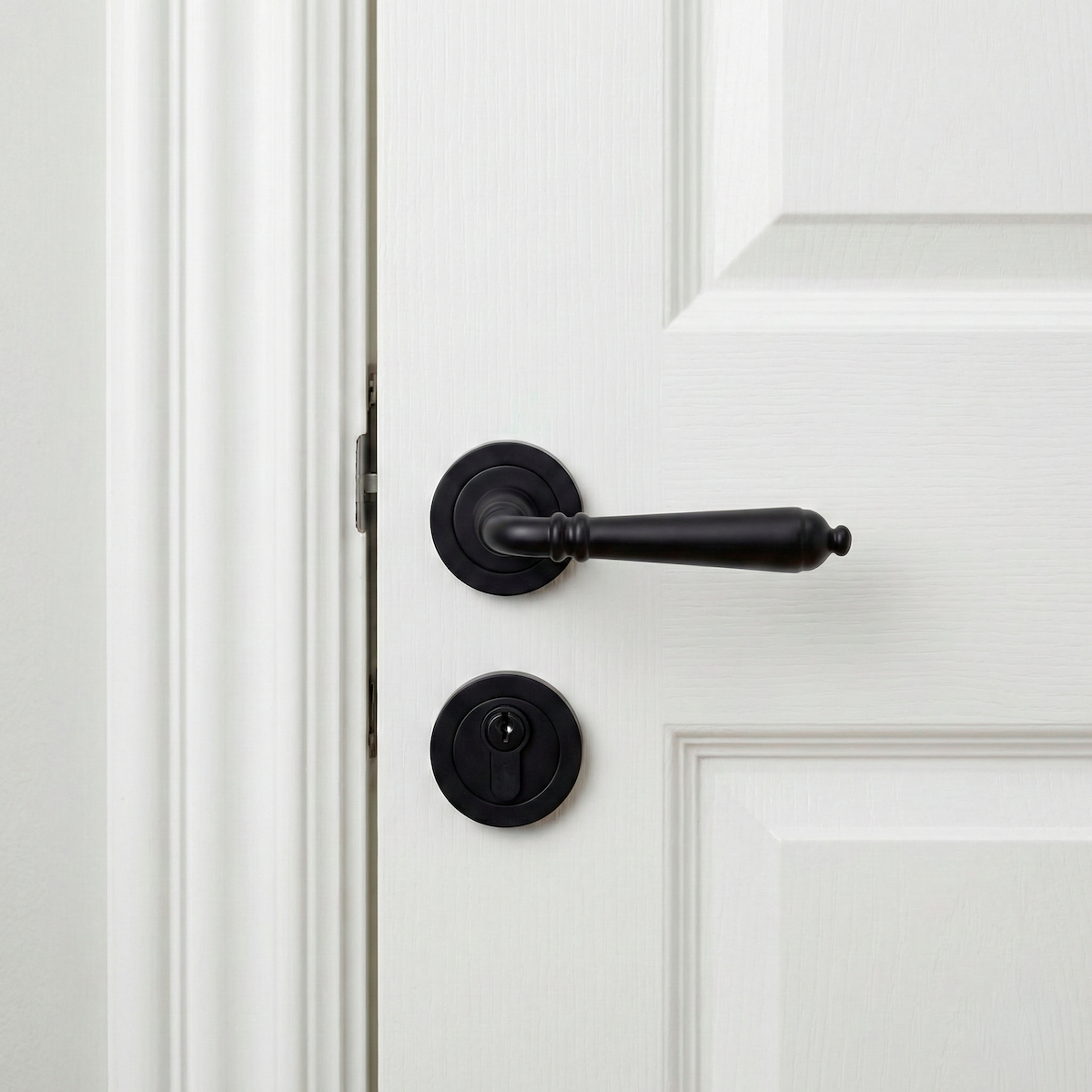
As we see in the image, the thumbturn goes on the inside of the door, and the outside has the emergency release, which functions like a screw that can be turned to open the door. These releases are very important, not just for households with children, but also for the elderly, as anyone could suffer a fall, a medical episode, or require assistance (for example), and this allows us to enter more easily to provide help.
Thumbturns and emergency releases are very easy to install, provided that the door has a tubular latch installed with space for both a handle and a thumbturn. Currently, all latches sold have that hole for the thumbturn, although not all doors have that hole drilled in the wood to install it. It is very likely that even if you do not see a second hole in the door, the latch has a thumbturn option, and to be sure, you would need to remove the latch from the door. In the event that it has that second hole, measure the distance between the handle hole (which is slightly larger) and the thumbturn hole. You may encounter two different distances;
- 47mm distance: in this case, a 35mm thumbturn should be installed so that the thumbturn does not rub against the door handle.
- 70mm distance: if the distance is 70mm, you could install either a 35mm or 50mm thumbturn, although for aesthetic reasons, a 50mm one is preferable.
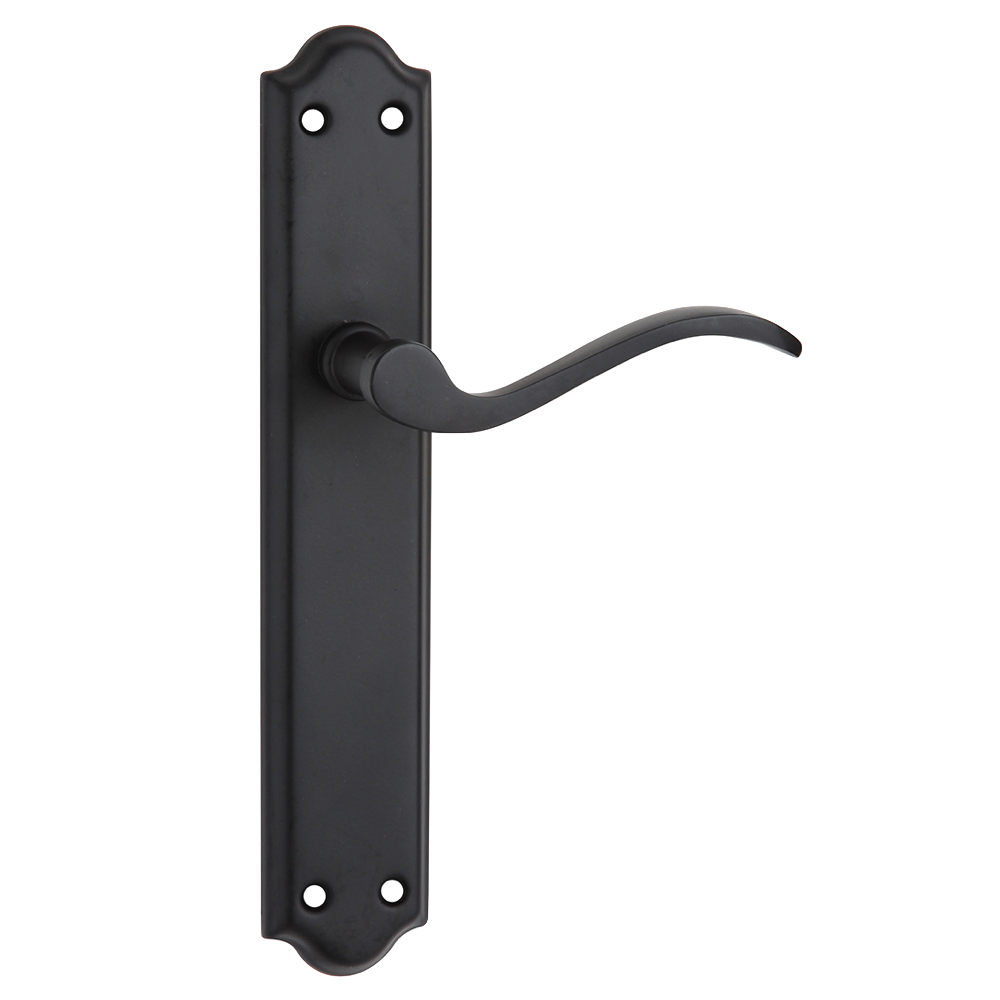
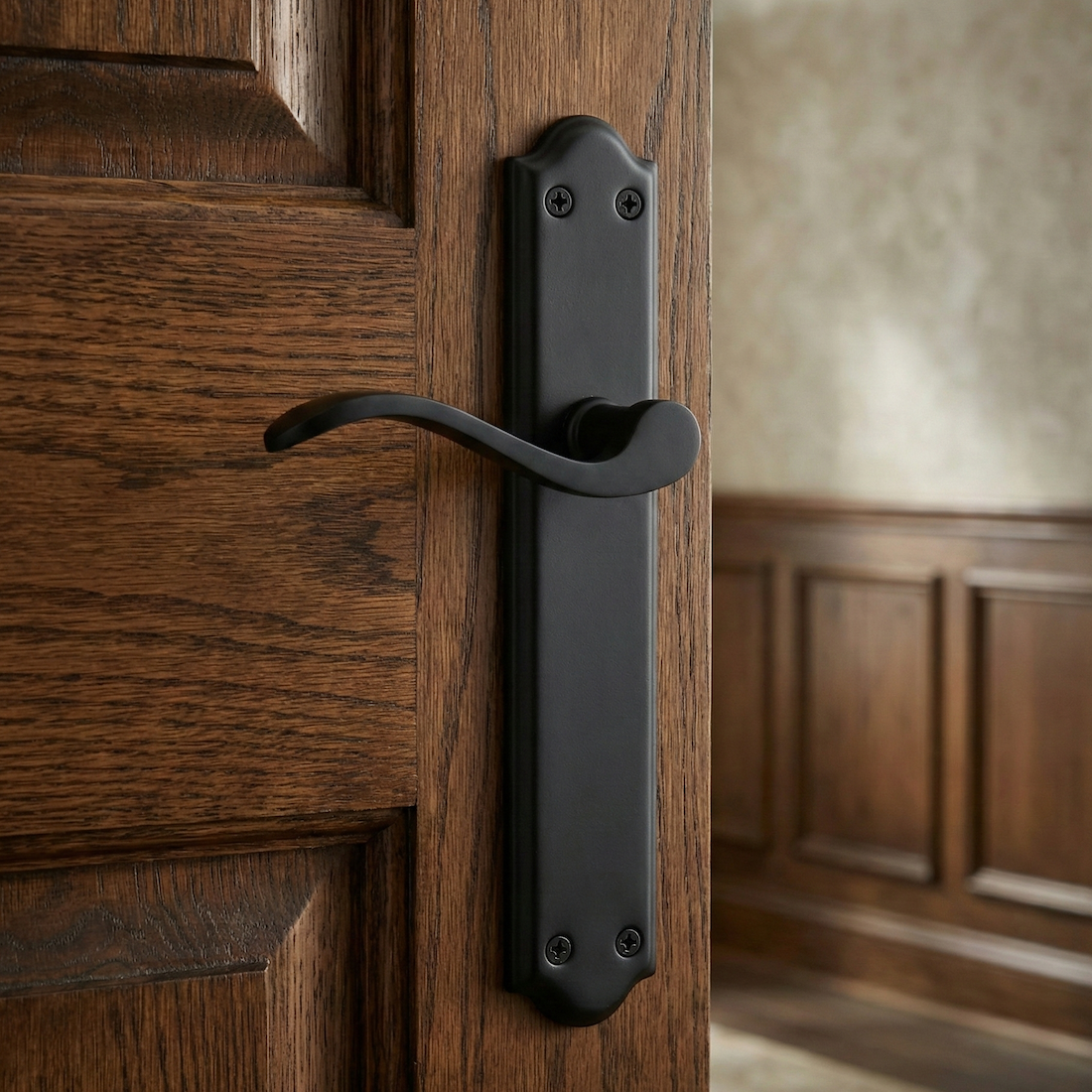
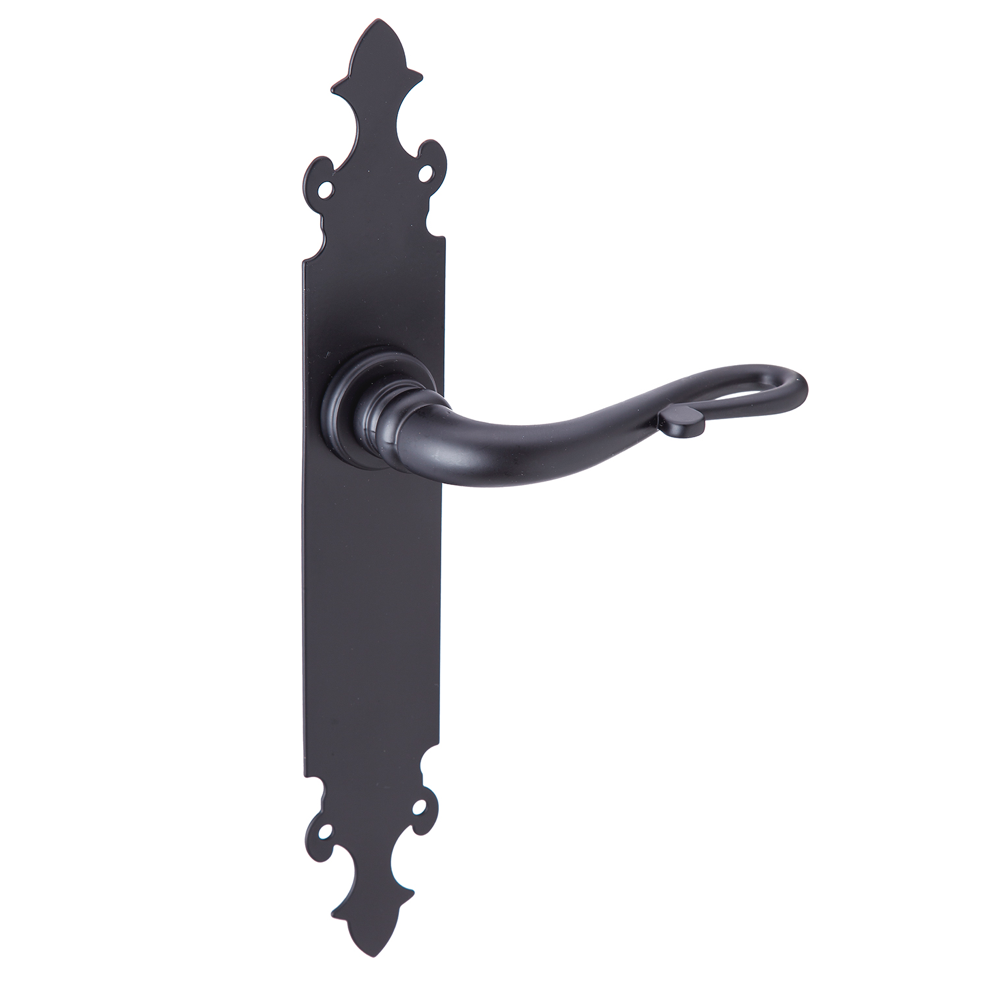
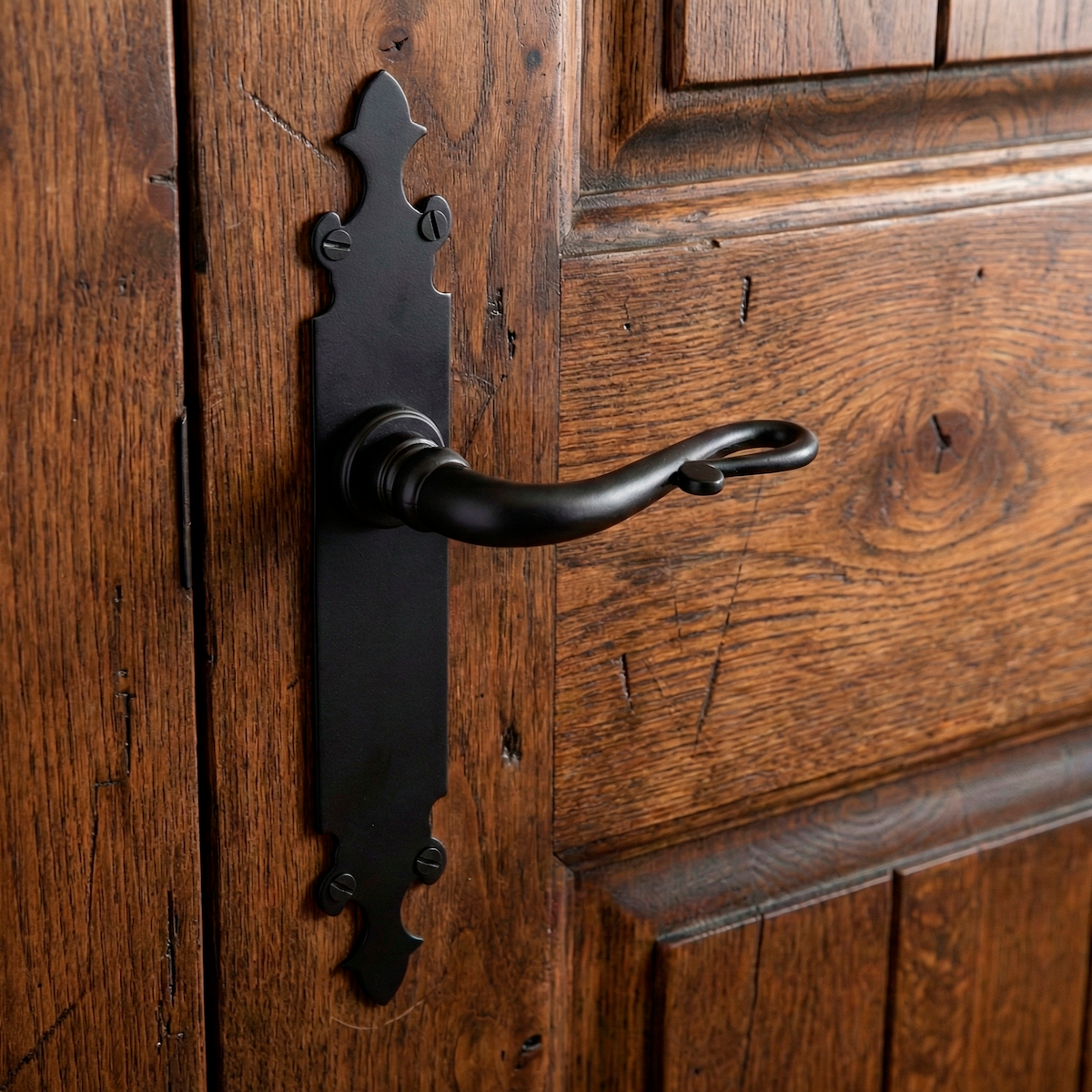
*If you want to install a thumbturn on a backplate handle, you would still need to measure the latch and drill a round hole (12mm) in the handle backplate.
Once you have verified that the latch has a locking option and you have taken the measurements, you would need to drill a hole in the door at the height where you can install the thumbturn.
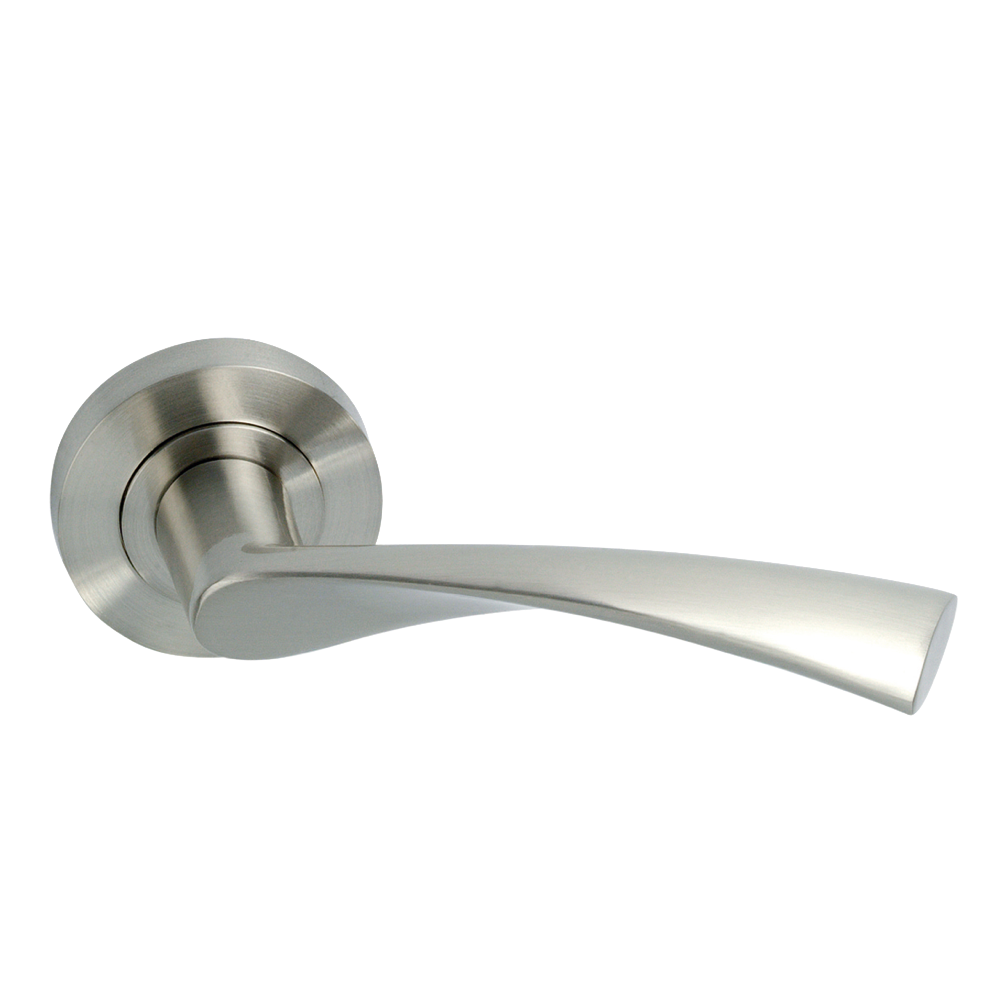
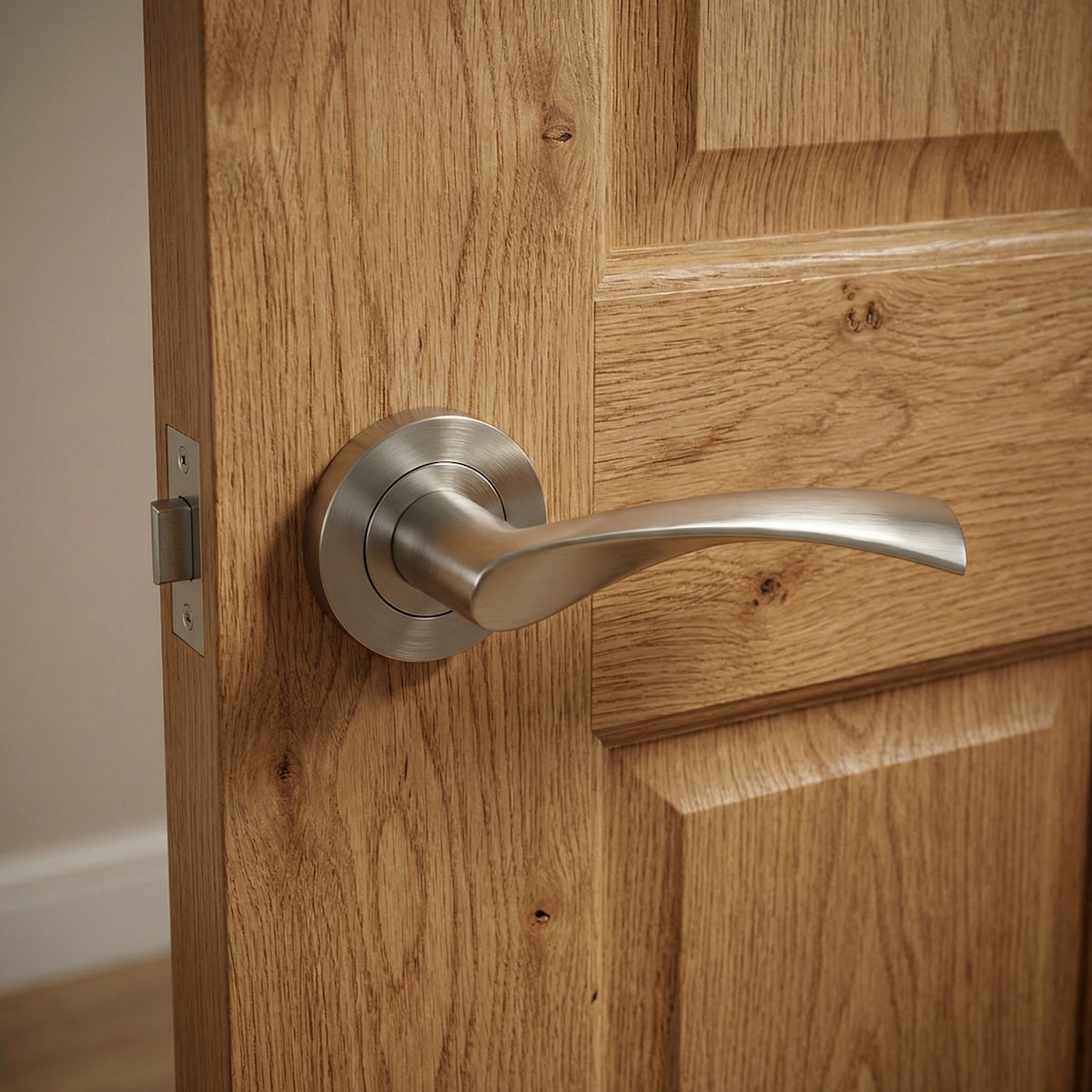
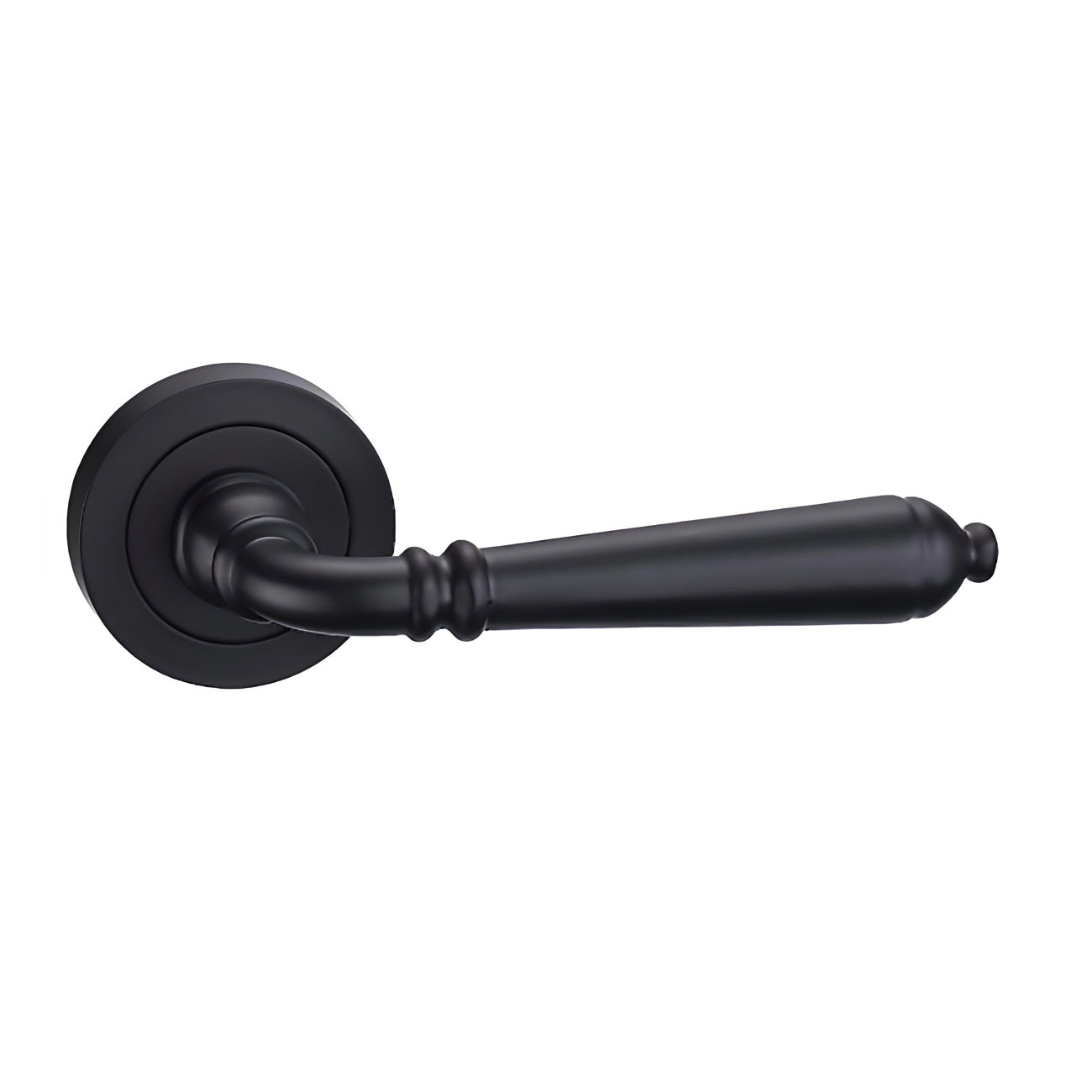
In short, handles with thumbturns are currently the ideal solution for bathrooms and rooms where privacy is needed. Furthermore, it is a very economical solution for locking your door that will add security. Depending on the handle rose—whether round or square—the thumbturn must match with a similar rose. In the event that the thumbturn is for a backplate handle for your doors, the latch will be used without a rose, and a hole must be drilled in the plate at a measurement that coincides with the installed latch.


1 comment
José Miguel
Muy útil la información proporcionada. Gracias.