The pipe cutter is an essential tool for any plumbing or DIY project that requires cutting pipes precisely and cleanly. Unlike other cutting tools, such as a hacksaw, a pipe cutter provides a more uniform cut without burrs, facilitating more professional and safer work. In this article, we explain how to use a pipe cutter, the types that exist, and tips for achieving perfect cuts in different materials.
Table of Contents
What is a pipe cutter?
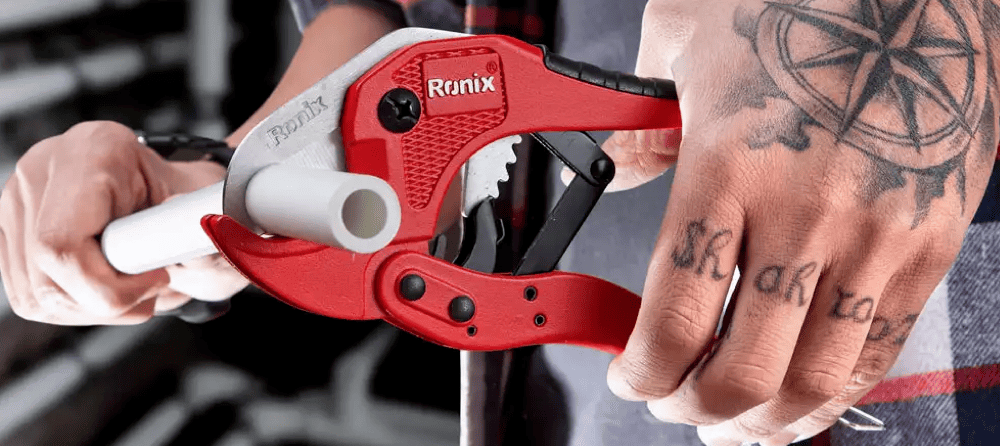
A pipe cutter is a tool specifically designed to cut pipes quickly and accurately. There are models adapted for different materials, such as copper, steel, PVC, and other types of plastic, making them ideal for plumbing and DIY work.

Types of pipe cutters
Depending on the material and the type of work, there are different types of pipe cutters:
- Copper pipe cutters: Used mainly to cut copper pipes precisely.
- PVC pipe cutters: Designed to cut plastic pipes without creating burrs.
- Stainless steel pipe cutters: More robust models that can cut harder materials.
How to use a pipe cutter
Using a pipe cutter is quite simple, but following the correct steps is key to a perfect cut:
- Measure and mark the pipe: Before cutting, make sure to measure and mark the area where you want to make the cut.
- Position the pipe cutter: Place the pipe cutter on the mark and adjust the blades to the diameter of the pipe.
- Rotate the tool: Turn the pipe cutter around the pipe, applying constant pressure until the cut is complete.
Tips for achieving precise cuts
To get the best results when cutting pipes, follow these tips:
- Use the right tool: Make sure to use a pipe cutter specific to the material you are cutting.
- Maintain uniform pressure: Apply constant pressure while turning the pipe cutter to avoid deformation.
- Check the blade's edge: Keep the blade sharp for a clean cut without burrs.
Maintaining your pipe cutter
A well-maintained pipe cutter will last longer and provide precise cuts with every use. Here are some tips for keeping your tool in good condition:
- Clean after use: Remove debris and clean the tool after each use.
- Lubricate moving parts: Apply oil to maintain smooth movement and prevent rust.
- Check the blades: Replace worn blades to maintain optimal performance.
Conclusion: Precise cuts with a pipe cutter
Using a pipe cutter correctly is key to achieving clean, professional cuts in any plumbing or DIY project. By following the tips and keeping your tool in good condition, you will be able to optimize your work and obtain the best results.