Electricity is something we use every day, but we often don't fully understand what it is or how it works. From turning on a lamp to charging our mobile phones, electricity is present in almost everything we do. In this article, we will explain in a simple way what electricity is and how it is used in our daily lives.
Table of Contents
What is electricity?
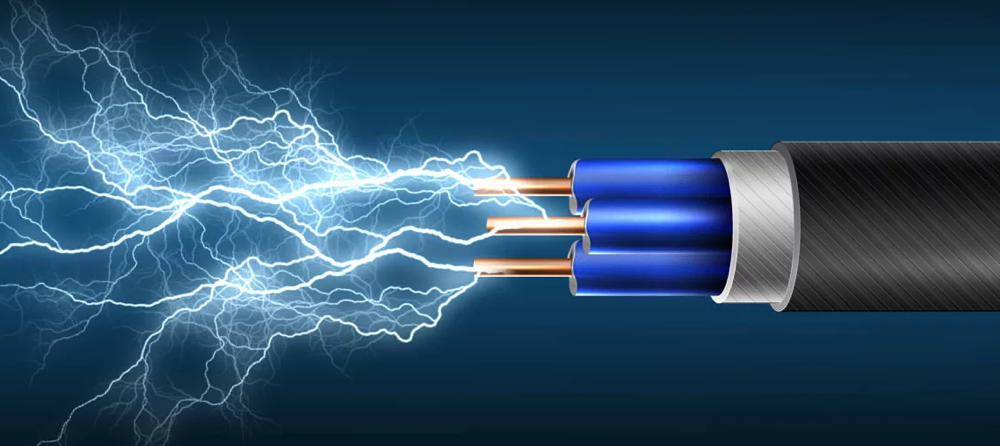
Electricity is a form of energy generated when electrons, which are tiny particles within atoms, move through a conductive material, such as a wire. Imagine electrons as tiny balls circulating along a "path" of wires, carrying energy from one place to another. It is this energy that allows electrical appliances to function.
In short, electricity is the flow of electrons through a material, and this flow can be used to operate all kinds of devices, from a simple light bulb to the most complex household appliances.
How does electricity work?
For electricity to work, we need an electrical circuit. A circuit is like a path through which electrons travel. This path is made of wires, switches, and electrical devices. The circuit must be closed for electricity to flow.
There are three main elements in an electrical circuit:
- Energy source: Where electricity comes from, such as cells, batteries, or the electrical grid in our homes.
- Conductor: The wires that transport electricity from the energy source to the device we want to use.
- Device: The appliance we use, such as a lamp, a fan, or a television, which uses electricity to function.

Simple diagram of an electrical circuit with a battery, a wire, and two light bulbs, showing how electricity flows.
How do we use electricity at home?
In our daily lives, we use electricity in many ways. Here are some common examples:
- Lighting: When we turn on a lamp or light bulb, electricity passes through the wire to the bulb and makes it glow.
- Appliances: Washing machines, refrigerators, microwaves, and other kitchen appliances work thanks to the electricity they receive through their power outlets.
- Electronic devices: We charge our mobile phones, use computers, and watch television because electricity gives them the energy they need to function.
For all this to work, electricity travels from power plants, through wires and poles, until it reaches our homes. There, electricity enters the electrical panel and from there it is distributed to all the outlets, switches, and appliances we use daily.
Explanation of how electricity reaches our homes from the power plant.
Safety when using electricity
Electricity is very useful, but it can also be dangerous if not used correctly. Here are some simple tips for using electricity safely at home:
- Do not touch outlets or wires with wet hands: Water conducts electricity, and touching a wet wire or outlet can cause an electric shock.
- Do not overload outlets: If you plug too many devices into a single outlet, it can overheat and cause a fire. Use high-quality power strips and do not overload the outlets.
- Turn off appliances when not in use: If you don't need an appliance or device, it's better to turn it off to save energy and avoid potential electrical problems.
- Check for damaged wires: If a wire is broken or frayed, replace it immediately. Damaged wires can cause short circuits.
Remember that electricity, although safe when used correctly, must be respected. If you have any problems with the electricity at home, it is best to call a professional electrician to check it.
Conclusion: Electricity, necessary but powerful
Electricity is a form of energy that allows us to live comfortably, powering our lights, appliances, and devices. Understanding how it works and how to use it safely is fundamental to making the most of it and avoiding problems at home. By following these simple tips and learning a little about how it works, we can all enjoy the benefits of electricity safely.
Electrical products